 Trusted by homeowners
 10 Year Warranty
 Trusted Quality
 Made to Measure





 Search
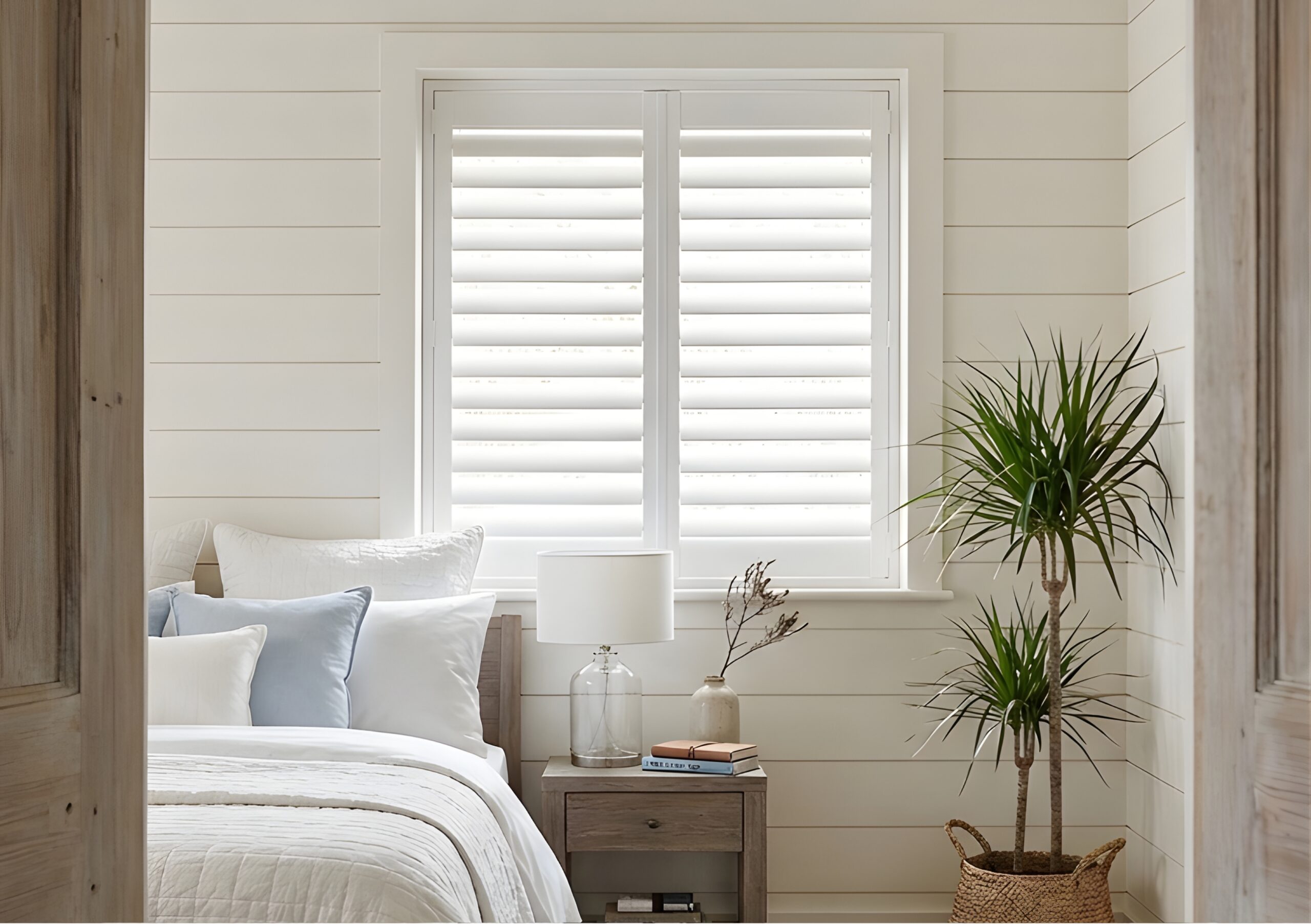
Many homeowners don’t realise that plantation shutters come in different materials. While they may look similar at first glance, the material you choose can affect performance, price, durability and lifespan. When comparing wood vs composite shutters, both options offer excellent benefits, but the right choice depends on your room, lifestyle and priorities.
Whether you’re prioritising moisture resistance, a premium aesthetic or long-term value, understanding composite shutters vs wood shutters will help you make a confident and informed decision.
What are wooden plantation shutters?
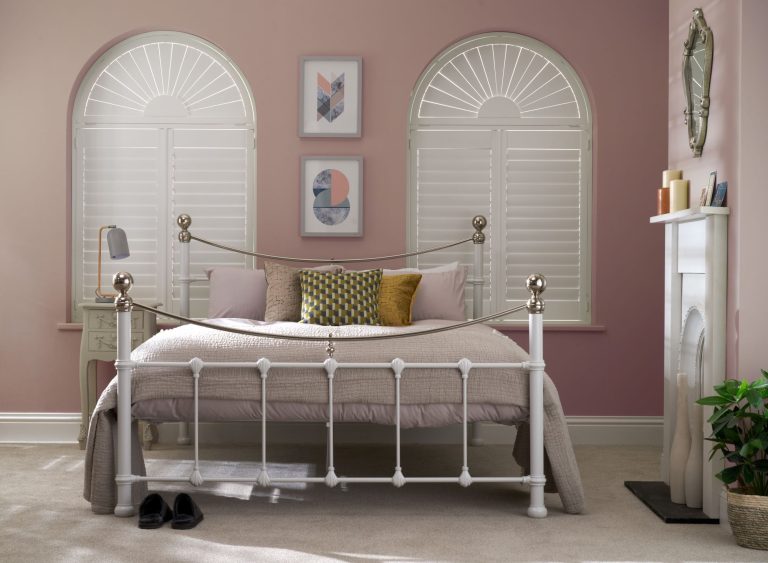
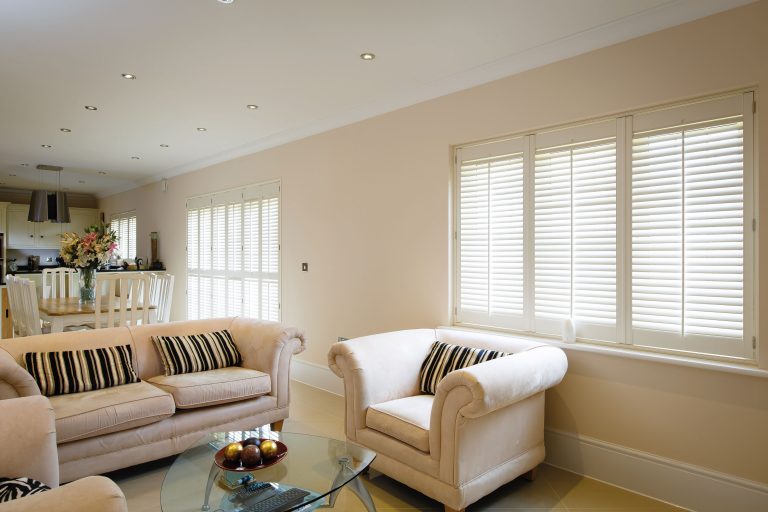
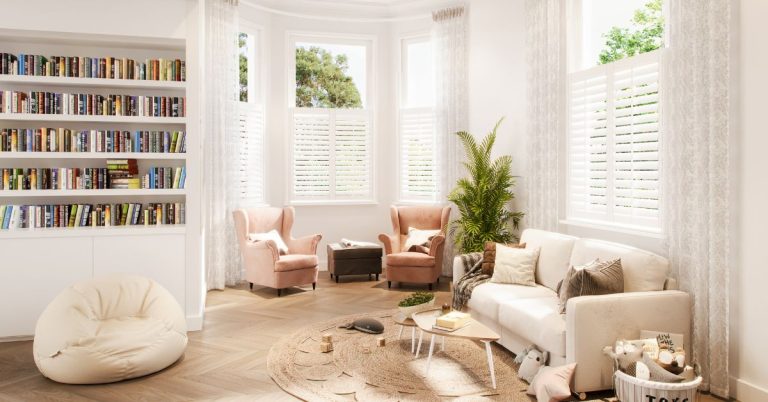
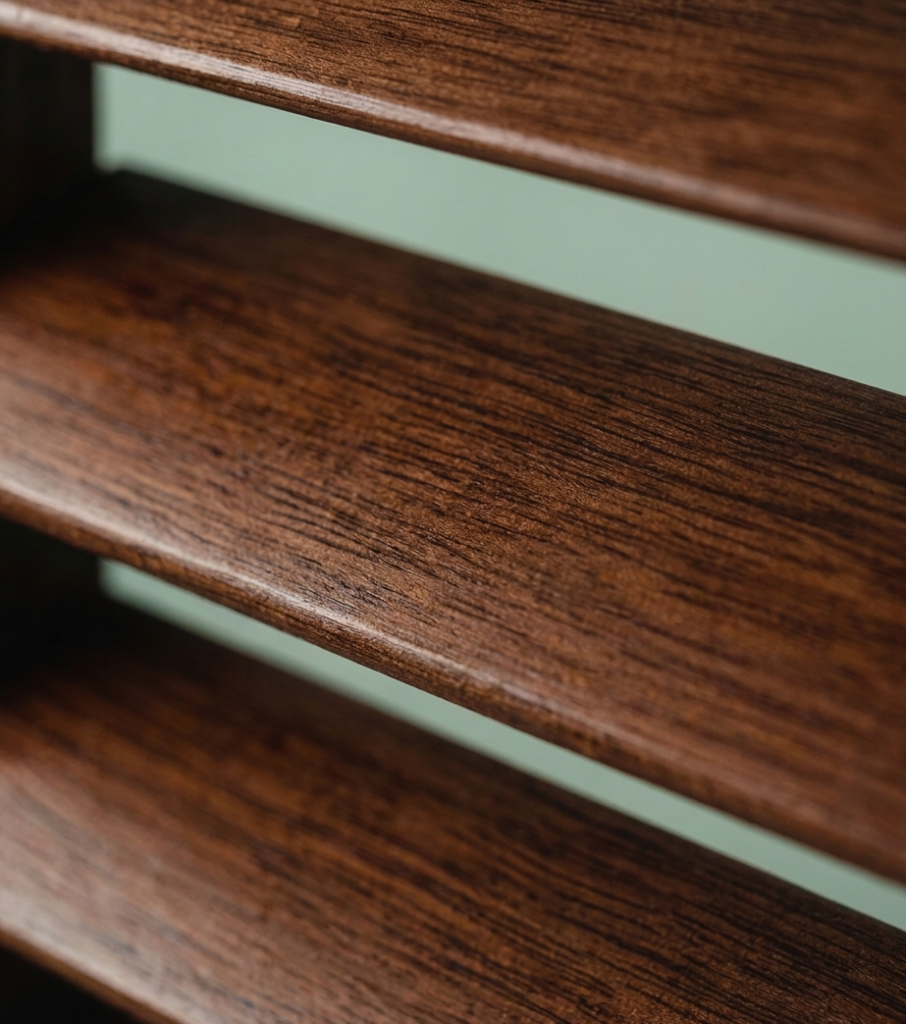
Wooden plantation shutters are typically made from high-quality hardwood, such as that used in the Fiji range or Hawaii. These shutters are known for their natural grain, smooth finish and lightweight strength.
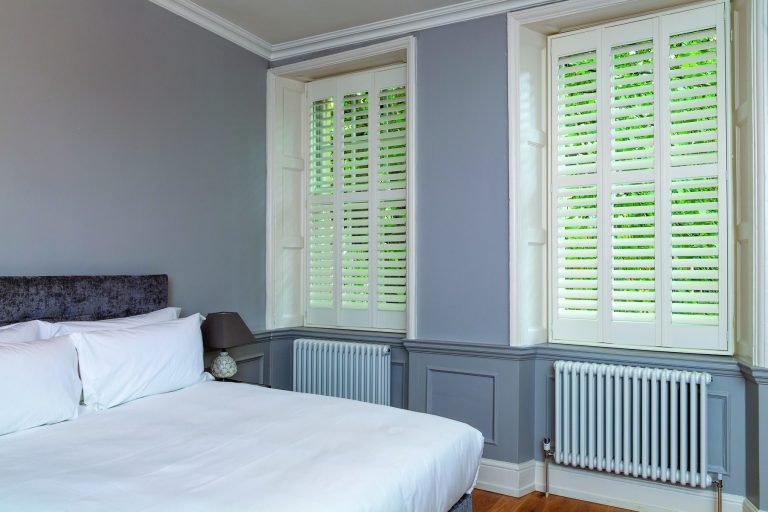
Because they’re made from real wood, they offer a warm and authentic appearance that many homeowners consider a premium option. Hardwood shutters are also lightweight compared to composite alternatives, which makes them easier to operate on larger windows or full-height panels.
Another benefit when considering wood vs composite shutters is sustainability. Many wooden shutters are manufactured using sustainably sourced hardwood, making them an environmentally responsible choice without compromising on style or performance.
Wood shutters are often chosen for living rooms, bedrooms and dining areas where aesthetics and elegance are key priorities.
What are composite plantation shutters?
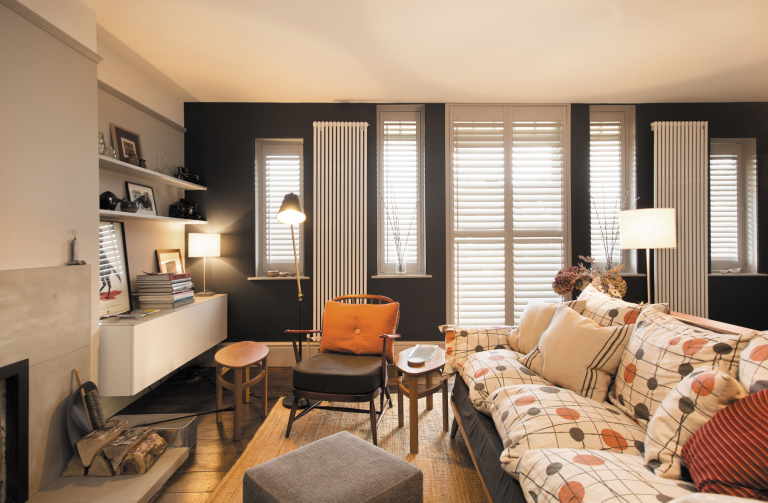
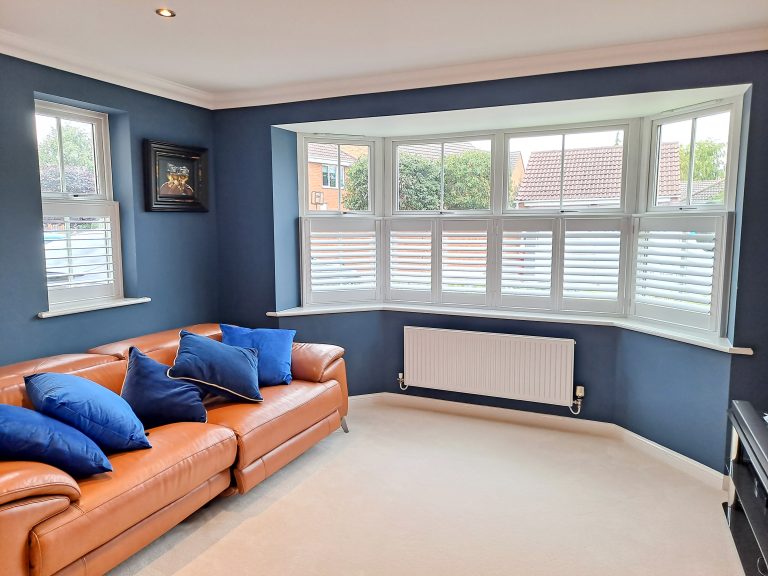
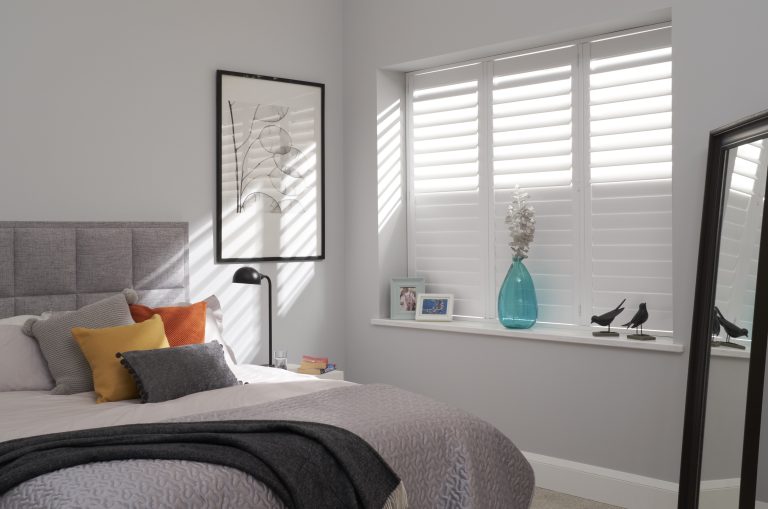
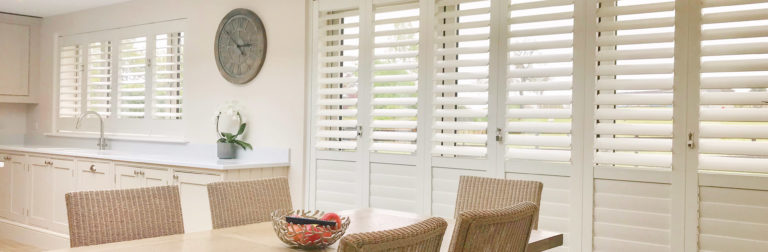
Composite plantation shutters such as the Antigua range are made using an engineered wood composite with a durable protective coating. This creates a smooth painted finish that’s easy to clean and ideal for busy homes. Composite shuttersare typically best suited to living areas, bedrooms and home offices rather than high-humidity rooms. For bathrooms and kitchens, moisture-resistant materials such as ABS or PVC waterproof shutters may be more suitable.
Composite shutters are among the world’s best-selling shutter styles, valued for their durable construction and sturdy, substantial feel. Their versatile design and practical qualities make them a popular choice for many homeowners.
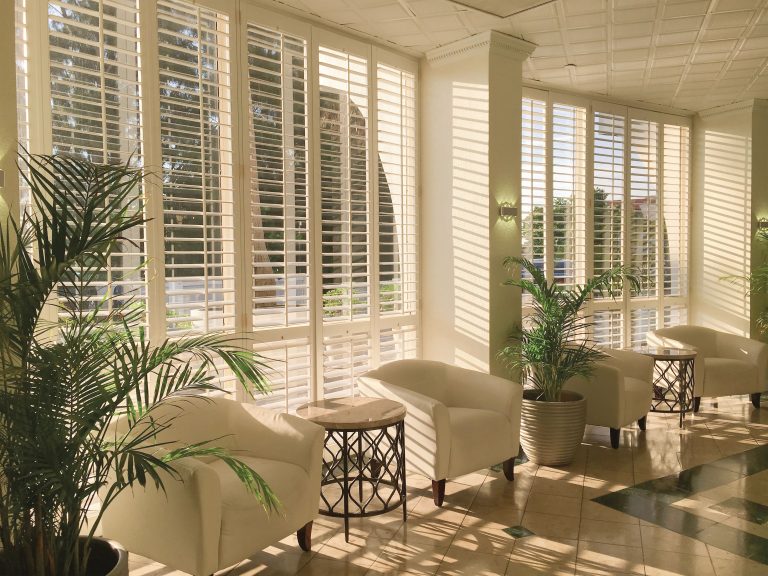
When weighing up wood vs composite shutters, composite materials are often for practical spaces where performance matters most.
| Feature | Wood | Composite |
| Appearance | Natural grain | Smooth painted finish |
| Weight | Lighter | Heavier |
| Moisutre resistance | Low | Moderate |
| Durability | Substantial | Hardwearing |
| Cost | Moderate/High | Low |
This comparison highlights the key differences when choosing wood vs composite shutters, helping you match the right material to your space.
Which is better for bathrooms and kitchens?
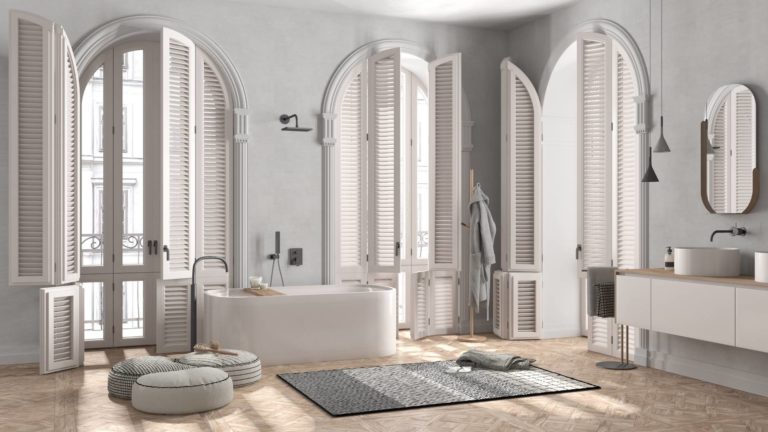
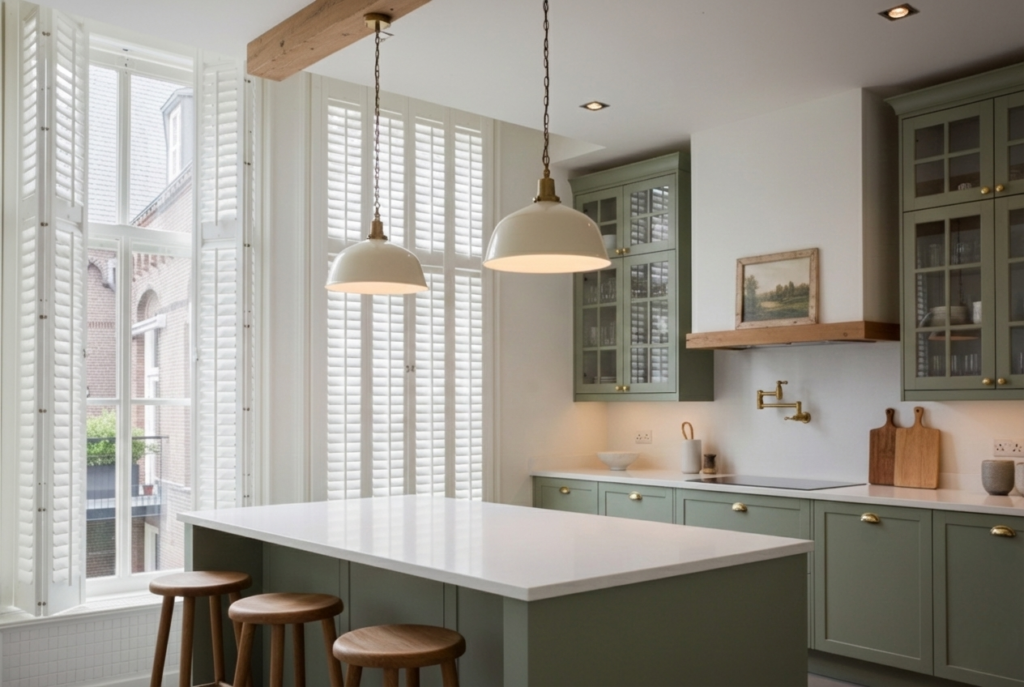
Moisture is one of the biggest factors when deciding between composite shutters vs wood shutters. Bathrooms and kitchens naturally experience high humidity levels, which can increase the risk of warping over time.
While high-quality wooden shutters are designed for everyday living, composite shutters are better suited to handling moisture-rich environments. However, for bathrooms and other high-humidity spaces, we would recommend choosing from our Java or Tonga ranges, which are specifically designed for moisture-heavy environments.
For this reason, when homeowners ask, ” Are wood plantation shutters better than composite?” the answer often depends on location. In busy family homes, composite shutters are usually the more practical option.
Which material lasts longer?
Both materials are designed to be long-lasting, particularly when professionally installed and properly maintained. High-quality hardwood shutters can last for decades, while engineered wood composite shutters offer excellent durability in high traffic environments.
When comparing wood vs composite shutters, lifespan depends on several factors:
- Quality of materials
- Professional Installation
- Professional Installation
- Daily usage
- Exposure to moisture
- Maintenance and cleaning
Neither option is universally longer-lasting. Instead, the right material in the right room will deliver the best long-term performance.
What are the cost differences?
Cost is another important consideration when comparing wood vs composite shutters. Wooden shutters typically come with a higher upfront investment due to the premium hardwood materials and craftsmanship involved.
Engineered wood composite shutters are often chosen for larger installations thanks to their practical appeal and wide popularity. However, wooden shutters offer greater versatility in terms of finishes, colours and design options, making it easier to achieve a more tailored, premium look.
When homeowners ask, “Are wood plantation shutters better than composite?”, design choice and practicality are often the biggest deciding factors. Engineered wood composite shutters are a popular option for many windows, while hardwood shutters offer greater versatility in finishes and styles for a more tailored look.
Which should you choose?
Choose wood if you’re looking for:
- A premium, natural look
- Lighter shutter panels
- Special shape shutters
- Traditional character and detailing
- Stained or matte wax finishes
Choose engineered wood composite if you’re looking for:
- Enhanced moisture resistance
- A practical solution for everyday living
- Durable, sturdy construction
- A popular choice for busy homes
Advantages of wood shutters
Wood shutters offer a range of benefits, particularly in living areas and bedrooms:
- Natural grain and texture: Real wood provides an authentic finish that adds warmth and character to a room.
- Lightweight construction: Easier to operate, especially on larger windows or wider panels.
- Premium appearance: Often considered a more refined option for living rooms and bedrooms.
- Timeless appeal: A classic choice that complements both traditional and contemporary interiors.
- Customisable finishes: Available in painted, stained or matte wax finishes to suit different interior styles.
- Sustainable options available: Many wood shutters are made using sustainably sourced timber, making them an environmentally responsible choice for homeowners.
Advantages of composite shutters
Composite shutters also provide strong practical benefits:
- Built for everyday living: Designed to handle the demands of busy homes and daily use.
- Stable construction: Engineered core helps reduce the risk of warping or cracking over time.
- Smooth painted finish: Provides a clean, consistent appearance throughout the home.
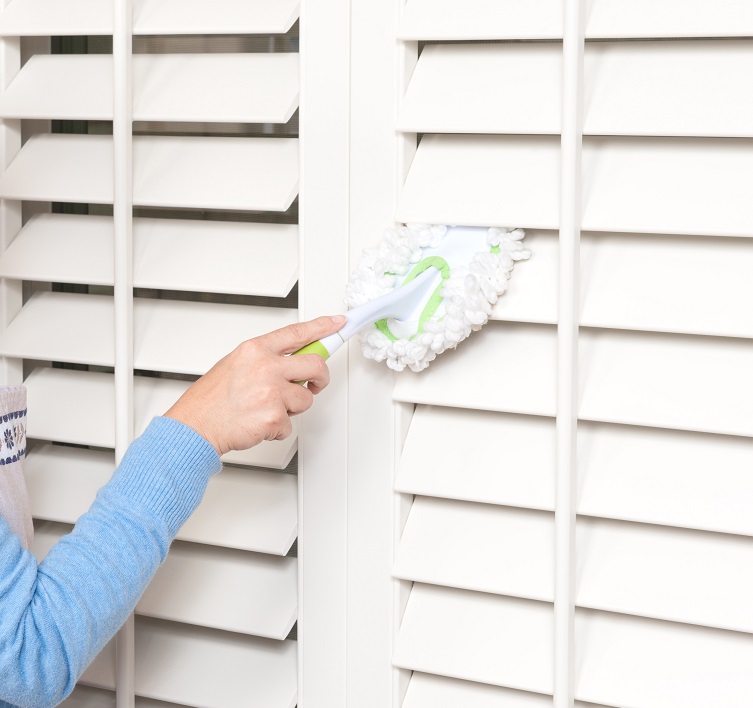
- Low maintenance: Easy wipe-clean surface that does not require refinishing.
- Solid feel: Sturdy construction creates a substantial and robust finish.
- Family friendly: A practical choice for busy households and homes with children.
Neither option is universally better. The best solution depends on your room, budget and preferred style. By understanding the differences between wood vs composite shutters, you can choose a material that delivers both performance and long-term value.
Our recommendation: Choose made-to-measure
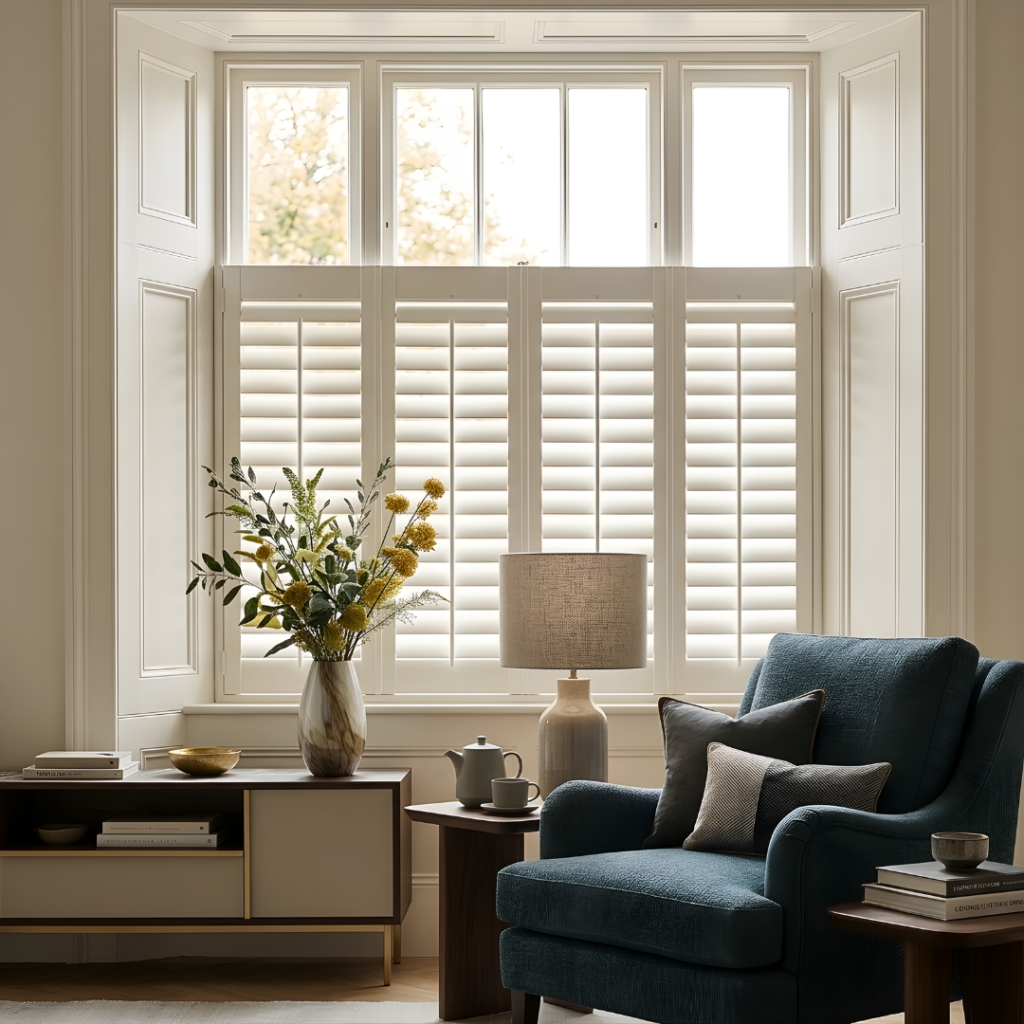
To get the best results, made-to-measure shutters ensure a precise fit, smooth operation and long-term durability. Shuttercraft specialises in professionally measured and installed shutters tailored to your room.
For expert guidance and personalised recommendations, book a free survey with your local Shuttercraft specialist today.
*Prices vary on hardwood shutters, choose from our more cost effect Hawaii range, or premium Fiji