 Trusted by homeowners
 10 Year Warranty
 Trusted Quality
 Made to Measure





 Search
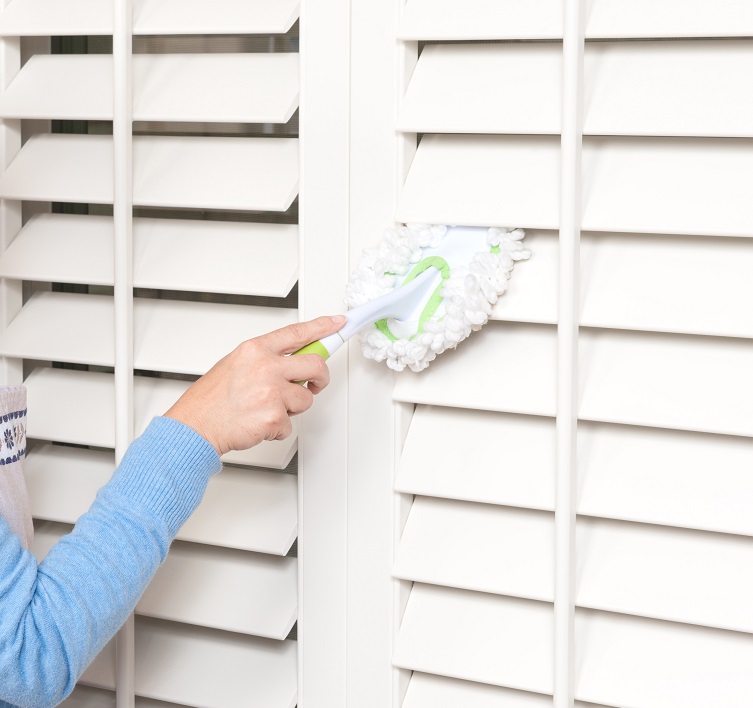
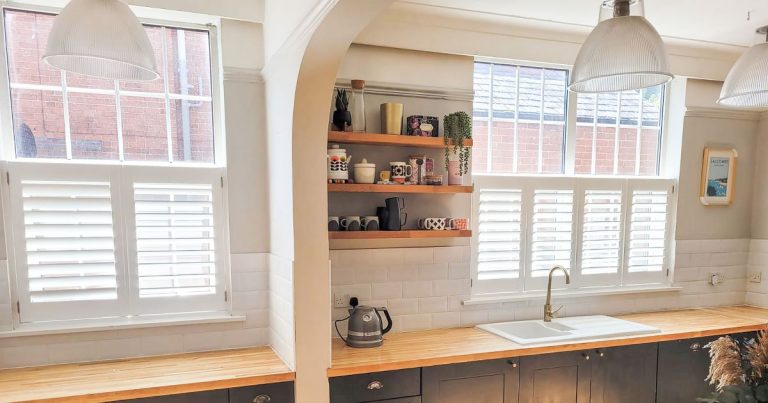
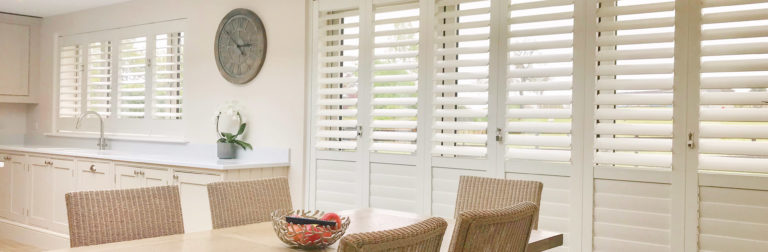
Window shutters are a timeless upgrade for any home. Offering benefits like privacy and insulation, to elevating your interiors, they’re as functional as they are stylish. Whether you prefer full height, tier-on-tier, or café style shutters, keeping them clean is key to maintaining their appearance, performance, and longevity.
In this guide, we’ll walk you through everything you need to know about how to clean shutters, including the best tools, recommended cleaning schedules, and tips tailored to different shutter materials and types.
If you’re looking for a comprehensive guide on how to clean wooden shutters, we’ve got you covered.
Why Regularly Cleaning Your Shutters Matters
Just like any other piece of furniture in your home, shutters require regular maintenance to stay in top condition. Here’s why you shouldn’t overlook cleaning your shutters:
Prevents dust buildup and allergens: Without regular cleaning, you may experience a buildup of dust and allergens on your shutters, which could impact indoor air quality.
Prolongs the life of your shutters: Cleaning helps preserve the material and finish, so they look as good as new for many years in the future.
Enhances your home’s appearance: Just like any other part of your home, clean shutters instantly make your space look brighter and more polished.
Whether you have full height shutters, café style, or tier-on-tier shutters, keeping them dust-free will ensure they look their best.

Cleaning Tools You’ll Need
- Microfibre cloths
- Soft brush vacuum attachment
- Feather duster
- Mild cleaning solution
- Step ladder (for hard-to-reach shutters)
Cleaning Products to Avoid
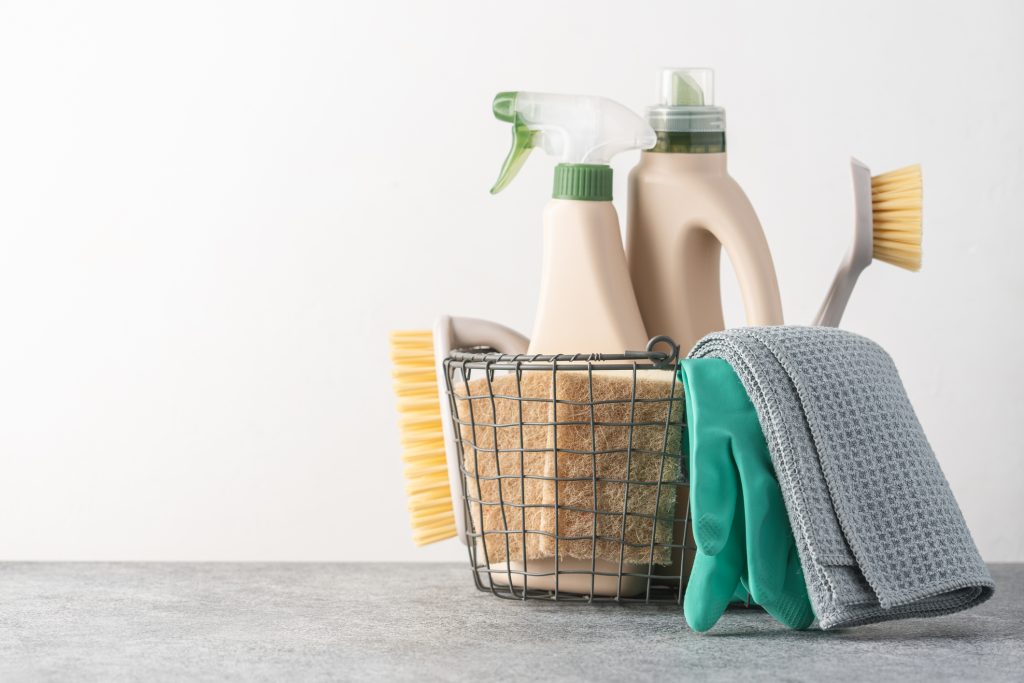
Shutters require minimal products to maintain their original finish. It’s best to regularly dust shutters to avoid the need for cleaning products. To protect your shutters and their finish, avoid:
- Abrasive sponges or scouring pads, as they can scratch the finish and potentially the wood underneath.
- Harsh chemicals like bleach or ammonia, which can strip finishes or damage painted surfaces.
How to Clean Different Types of Shutters
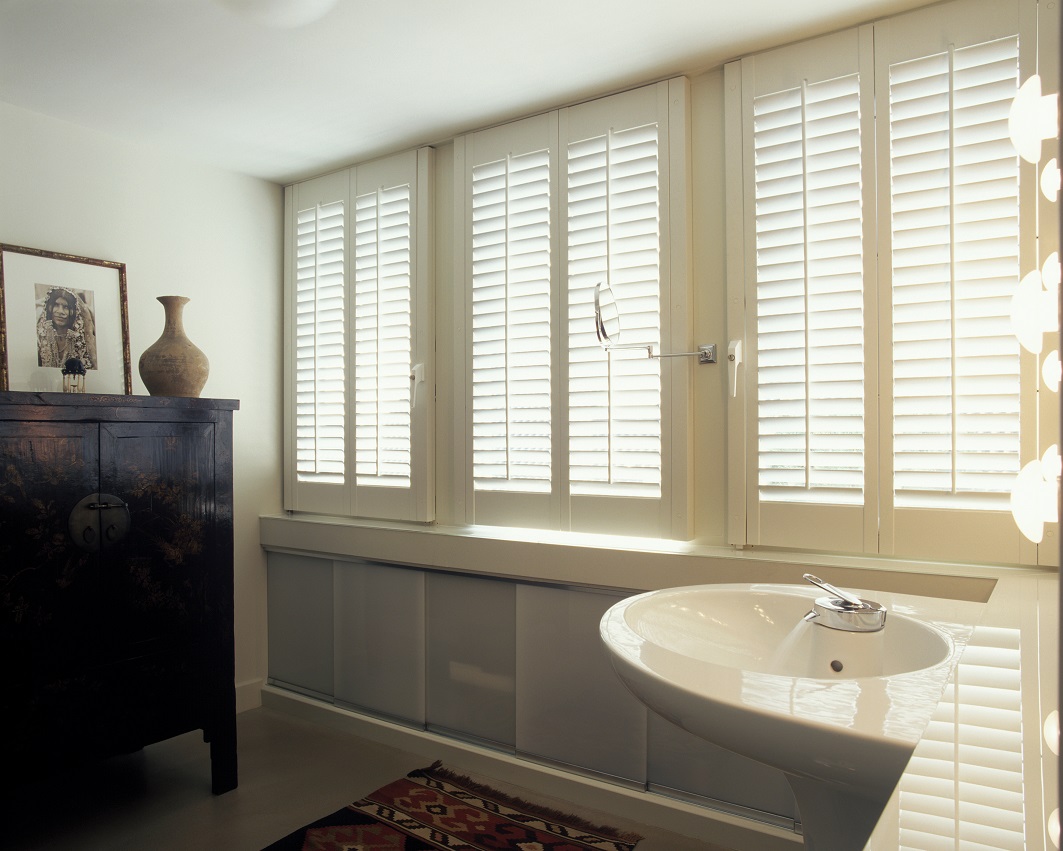
Different materials and shutter styles require slightly different cleaning techniques. Here’s how to clean shutter blinds based on the material and style:
Plantation Shutters
Classic plantation shutters are one of the most popular choices, known for their adjustable louvres and timeless appeal. At Shuttercraft, our most popular plantation shutters are made from high quality engineered wood composite (EWC).
How to clean plantation shutters: Use a dry microfibre cloth or a soft brush attachment on your vacuum to gently remove dust. For smudges or marks, lightly dampen the cloth – but never use excessive water on your shutters, and always dry them afterwards.
Wooden Shutters
Crafted from premium hardwood, wooden shutters bring warmth and a classic charm to your interiors, with the choice of paint colours for a modern look, or stain finishes for a traditional feel.
How to clean wooden shutters: Dust regularly with a microfibre cloth. Avoid using moisture on the surface to prevent moisture damage and discolouration, especially for stain finishes. Hardwood shutters finished with a stain may need additional coats to maintain the colour and material – check with your shutter provider to understand how often you’ll need to touch up your shutters.
Waterproof Shutters
Our waterproof Java range provides an option for more humid rooms and bathrooms, offering a cohesive look throughout your home. These waterproof shutters are crafted with the highest quality Acrylonitrile Butadiene Styrene (ABS) and stainless steel hinges to ensure a stylish look, even for your bathroom.
How to clean waterproof shutters: Dust often with a microfibre cloth. Use a lightly damp cloth for smudges or marks and dry them off after excessive exposure to moisture.
Metal Shutters
Aluminium security shutters are another waterproof option, with options to install indoors or outdoors. Our metal shutter range, Portchester, offers enhanced security for peace of mind. They’re a stylish solution, offering not only a durable security solution, but also the benefits of our classic window shutters – privacy, light control, and insulation.
To keep your Security Shutters working smoothly, regular cleaning and lubrication are essential. The frequency depends on location and environmental factors like temperature, humidity, and pollutants.
- Indoor/inland shutters need less maintenance than those outdoors or near the sea.
- High-corrosivity areas (e.g. coastal) – clean and lubricate every 1–4 weeks.
- Low to medium corrosivity areas – every 3–6 months.
Guidelines may vary based on local conditions. Contact your local Shuttercraft expert for more information.
Portchester Shutters Cleaning Guide
- Remove all surface dust and grit with a feather duster, vacuum cleaner or water (if shutters are installed outdoors). This step is very important as cleaning with any dust and grit left on the shutters could scratch the finish.
- Using a damp soft cotton cloth, wipe down the shutters to remove contaminates such as salt and industrial fallout. Never use abrasive materials or detergent- and solvent-based cleaners such as thinners or mineral turpentine as these may damage the powder-coated finish of your shutters.
- Dry the shutters with a chamois or soft cotton cloth.
- Remove all dirt and debris from the bottom channel using a small broom or vacuum cleaner.
Lubrication for Portchester Shutters
Keep your Security Shutters operating at their best by regularly lubricating the wheels, hinges, and pivots with a multipurpose spray such as Corrosion Block*.
The lock cylinder and bottom guide track typically don’t require lubrication, but if the lock becomes stiff in extreme conditions, a graphite powder lubricant* can be used.
*Always follow the manufacturer’s instructions and safety guidelines when applying any product.
Solid Panel Shutters
Solid panel shutters are ideal for insulation, full privacy, and a more traditional aesthetic. These shutters are available in a range of materials, such as hardwood, EWC, and ABS and styles, such as tier-on-tier, full height, and café style.
How to clean solid panel shutters: Wipe gently with a soft cloth. Depending on the material of your shutters, you may use a lightly damp cloth for smudges, but ensure you dry off the shutters after cleaning.
Recommended Cleaning Schedule for Different Shutter Types
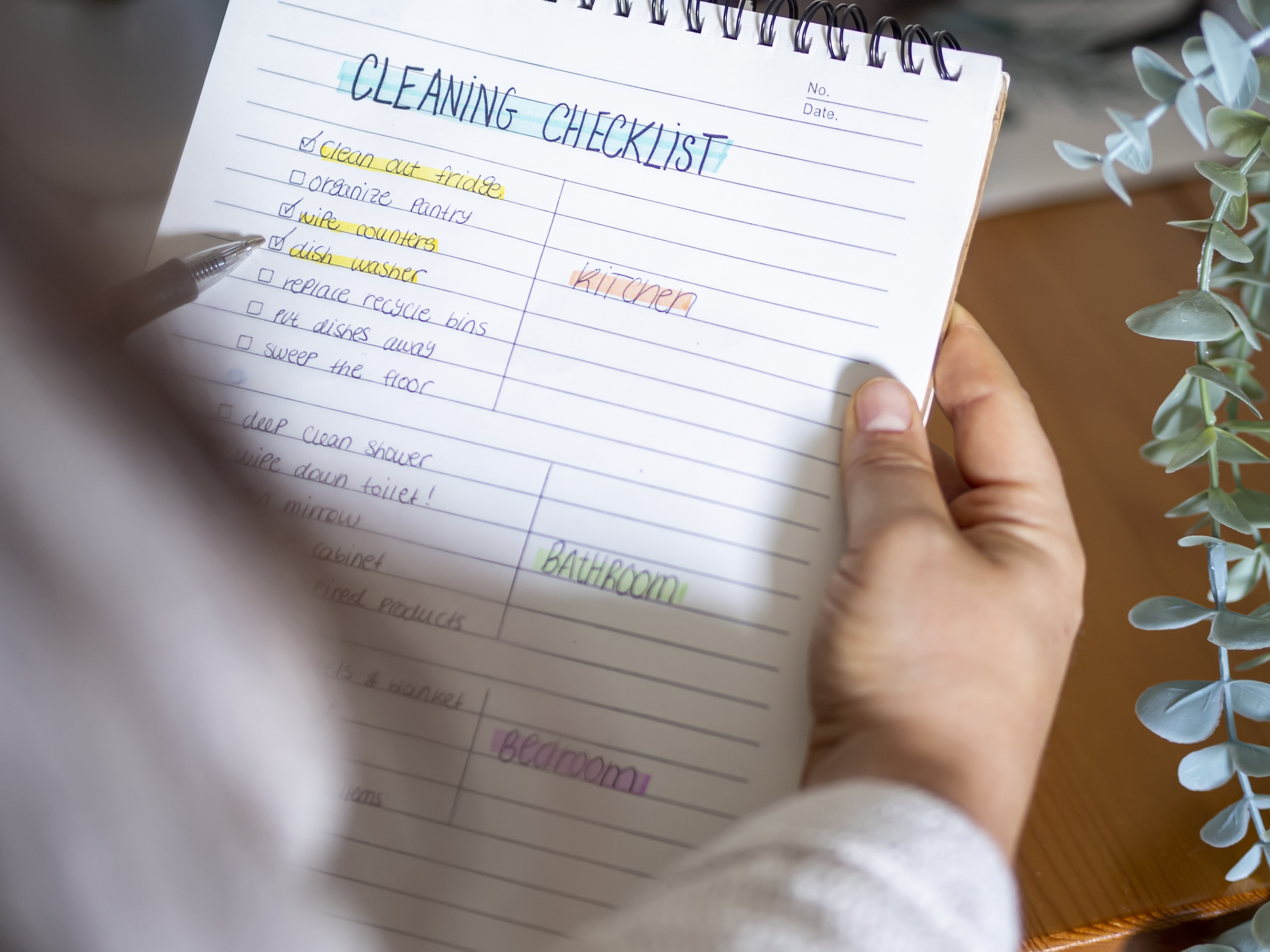
Now you know how to clean shutters, it’s important to maintain a regular cleaning schedule to prevent buildup of dust, marks, and allergens. Here’s how often we recommend to clean shutters:
| Shutter Type | Light Cleaning (dusting) | Deep Cleaning |
| Plantation Shutters | Weekly | Every 3 months |
| Wooden Shutters | Weekly | Every 3 months |
| Waterproof Shutters | Weekly | Every 2-3 months |
| Metal Shutters (indoors) | Weekly | Every 2-3 months |
| Metal Shutters (outdoors) | Weekly or more | Every 1 week – 6 months |
| Solid Panel Shutters | Bi-weekly | Every 3 months |

Common Mistakes to Avoid
Limit Water Use on Wood Shutters
Wood and moisture don’t mix well. Always use a dry or barely damp cloth when cleaning wooden shutters to avoid damage and warping.
Using Harsh Chemicals
Strong cleaners can erode paint or stain finishes. Stick to water where possible, but when that isn’t enough, sparingly use mild cleaning solutions.
Ignoring the Space Between Louvres
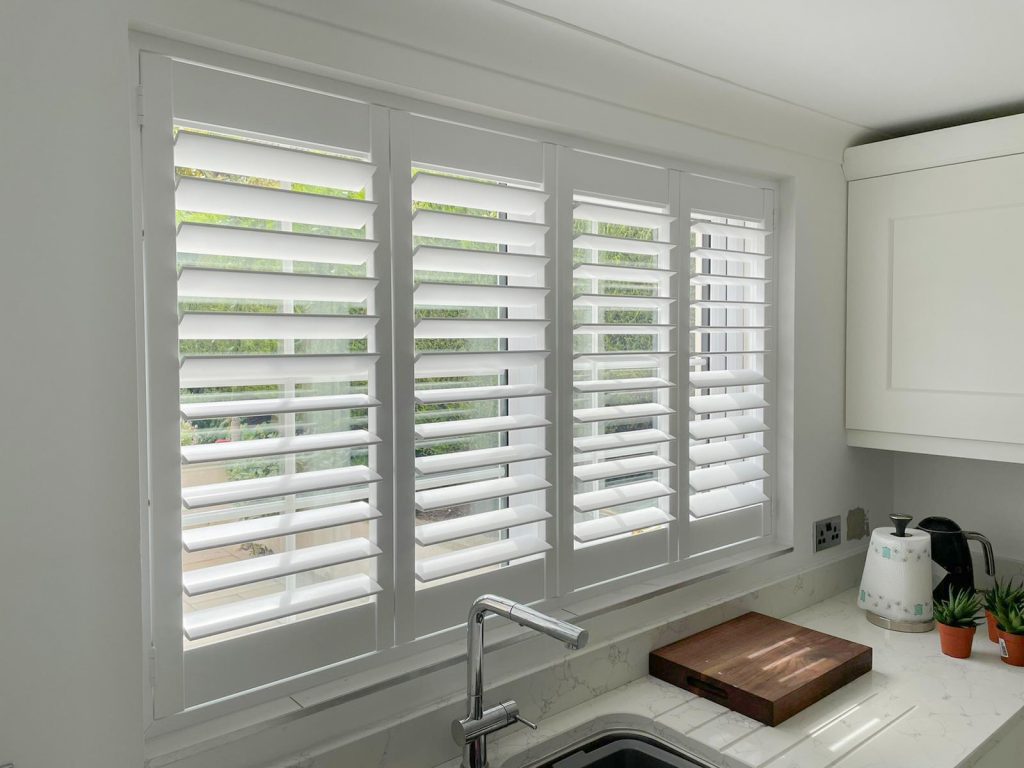
The narrow gaps between shutter louvres can collect a surprising amount of dust. Don’t neglect the top, bottom, and sides of each louvre and shutter panel when cleaning window shutters.
Bonus Tip: Use a soft cloth wrapped securely around a butter knife to clean those hard-to-reach areas.
Maintenance Tips for Long Lasting Shutters
- Regular dusting: Prevents dust and grime from building up and keeps allergens at bay.
- Deep clean every few months: Use our recommended cleaning schedule to deep clean your shutters.
- Top up stain finishes: Ask your shutter provider about how often you may need to re-stain shutters to keep them looking as good as new.
- Paint touch ups: While high quality shutters shouldn’t chip, accidents can happen. Your shutter provider may leave a small pot of paint to touch up chips in the paint, use this to preserve the material and keep shutters looking fresh.
Keep your shutters looking pristine by giving them the care they deserve. To explore more stylish and durable options, explore our range.
FAQs
Can I use vinegar to clean my shutters?
It’s best to avoid vinegar, especially on wooden or painted shutters, as it can damage finishes. Use a lightly damp cloth, and if needed, a mild cleaning solution for stubborn marks.
What’s the best way to clean shutters in hard-to-reach places?
Use a soft feather duster with an extendable handle, or a step ladder along with a microfibre cloth or vacuum brush to reach high areas.
How do I prevent dust buildup on shutters?
Regular weekly dusting with a dry cloth or duster is the best way to prevent dust buildup. You can also reduce dust levels in the home with regular vacuuming and air filtration.