 Trusted by homeowners
 10 Year Warranty
 Trusted Quality
 Made to Measure





 Search
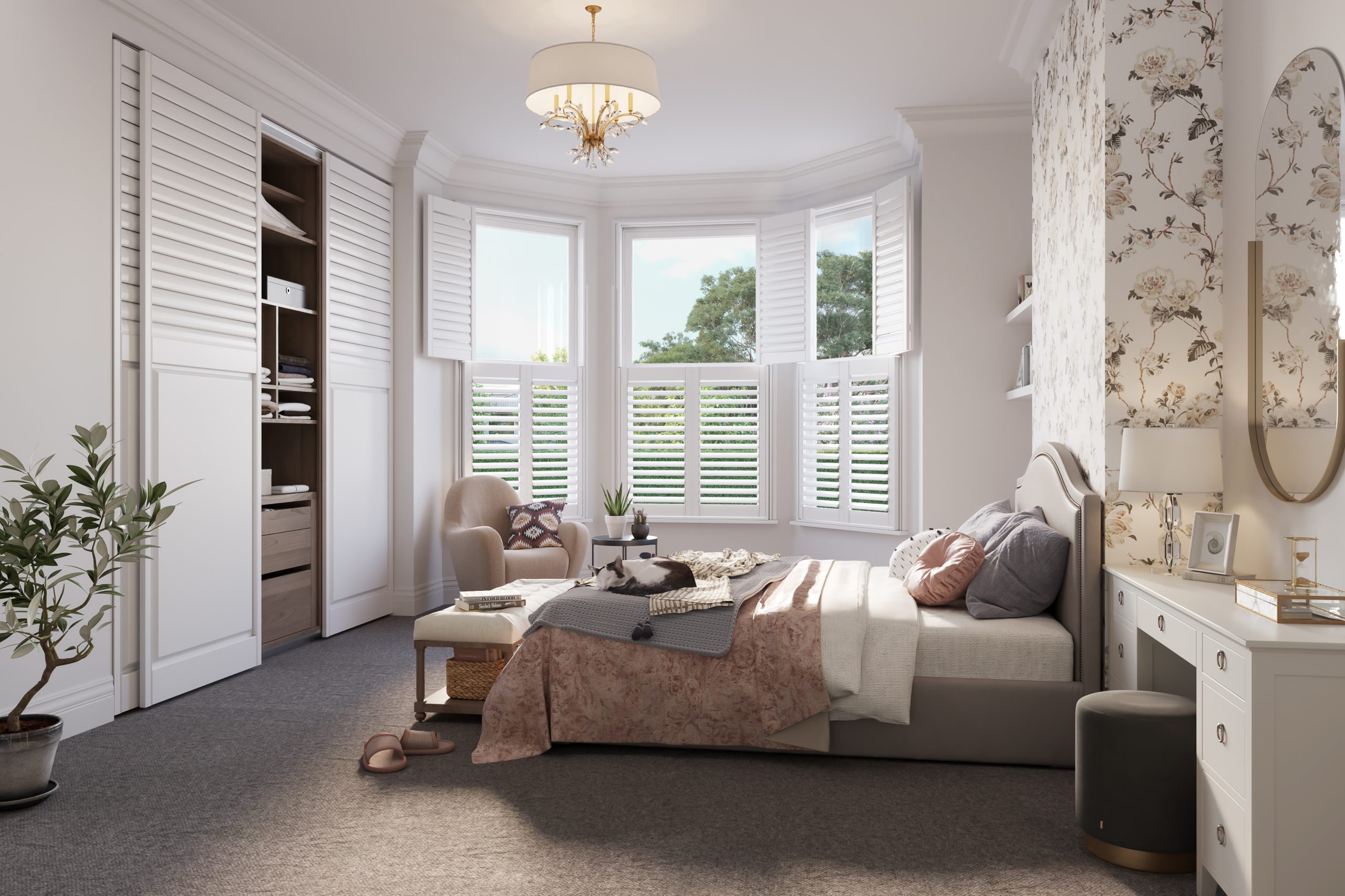
Your home is your inner sanctuary away from the outside world. Depending on where you live, external noise can sometimes be a growing burden, especially when relaxing or concentrating on work.
Alongside their ability to control light and temperature within the home, shutters are also a great way of reducing noise.
In this blog, we’ll explore why you should consider shutters when trying to prevent noise from entering your home.
How does noise affect a home?
Whether you’re working, sleeping, or relaxing, a peaceful home is a must. External noise enters through unsealed gaps, making doors and windows common culprits for letting unwanted sound waves in.
If you live in a particularly busy environment, near a road, pub, or shop, these issues can be amplified as sound may be constant, or even present during late hours. This can be an even bigger problem for those living in cities as loud noise could be inevitable and not easily prevented.
Aside from the annoyance of noise when trying to unwind after a day’s work, it can be hugely detrimental to your health and wellbeing. The UK Government’s ‘The neglected pollutants: the effects of artificial light and noise on human health’ report showed that both noise and light pollution can lead to an increased chance of heart disease and higher stress levels.
The same report also references that the World Health Organization stated that traffic-related noise pollution results in one million healthy life years lost in Western Europe annually.
How does noise enter your home?
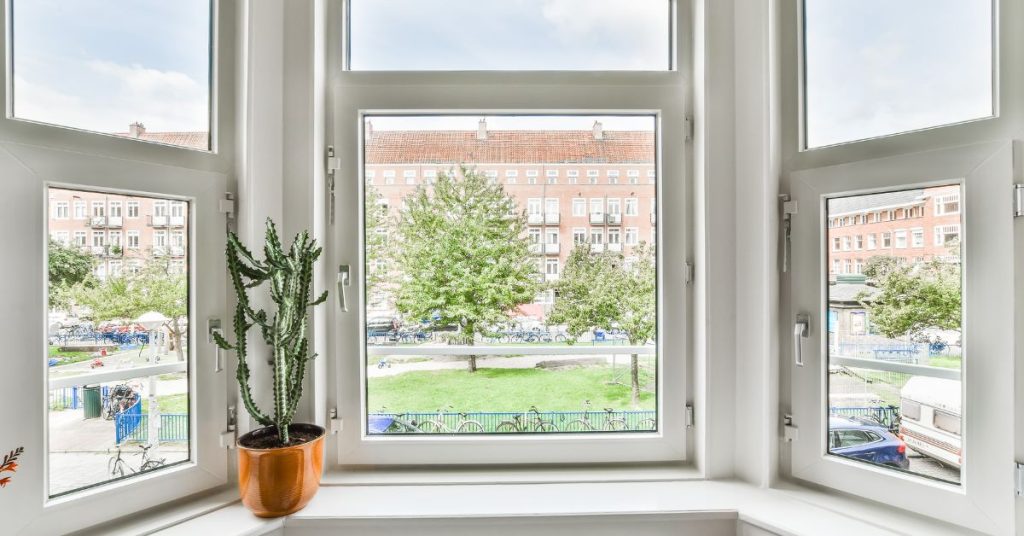
Noise can enter your home in several ways, often through areas you might not immediately notice. One of the most common entry points is through gaps around windows and doors, where poor sealing allows sound to travel freely indoors.
Glass itself can also contribute, as vibrations from external noise can pass through windowpanes and into your living space. Homes with poor insulation are particularly vulnerable, as they lack the materials needed to absorb or block sound effectively.
Additionally, thin building materials used in some properties can make it even easier for noise to penetrate, meaning everyday sounds from outside can quickly become disruptive indoors.
Shutters can also prevent noise within the home from escaping. This can give you peace of mind, knowing that you can host guests and not be as watchful over your noise levels.

How effective are they at reducing noise?
Shutters can provide a moderate level of noise reduction, making a noticeable difference to everyday sounds, although they are not designed to completely soundproof a room.
They are particularly effective at reducing common external noises such as traffic, general street activity, and neighbourhood sounds. However, they may be less effective against very loud noises or low-frequency sounds, which are typically harder to block with most window coverings.
Where are shutters best placed for noise reduction?
For noise reduction, shutters can provide numerous benefits depending on where they are within your home. They typically work best for any area where you need peace and quiet.
Here are just three areas of your home where you could consider adding shutters:
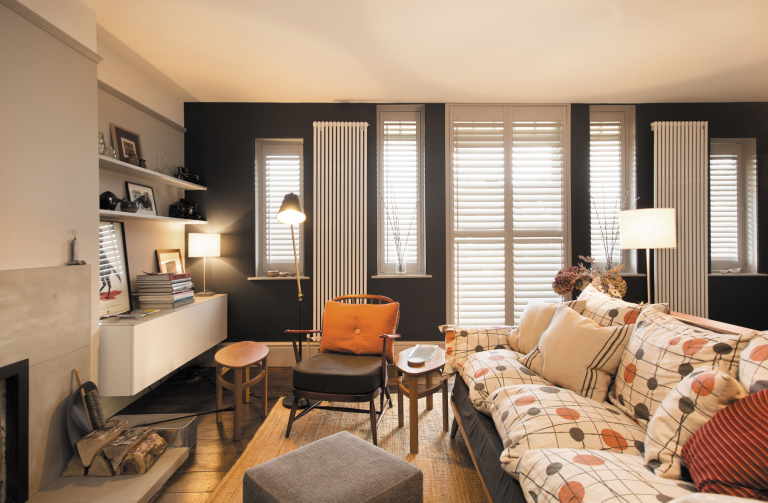
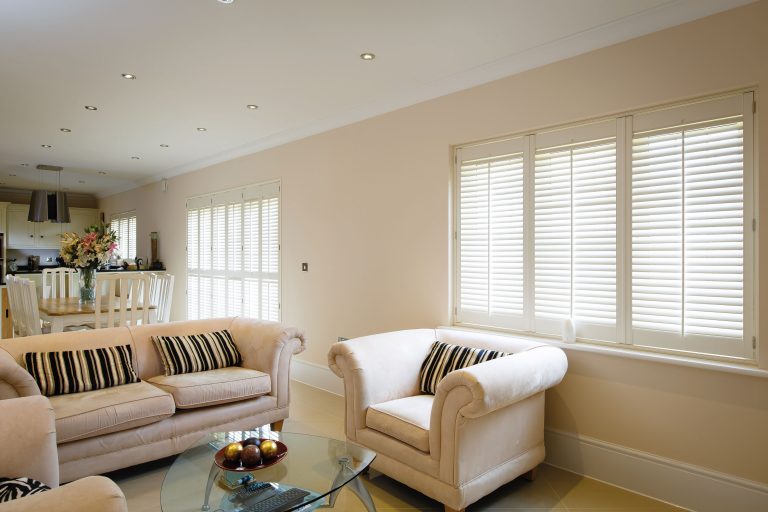
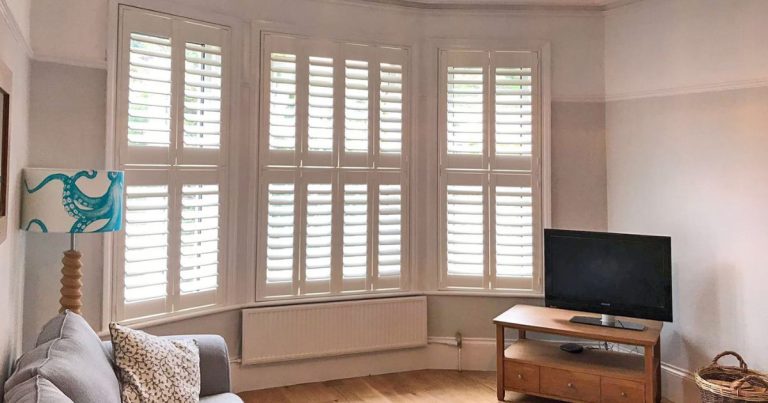
Living room
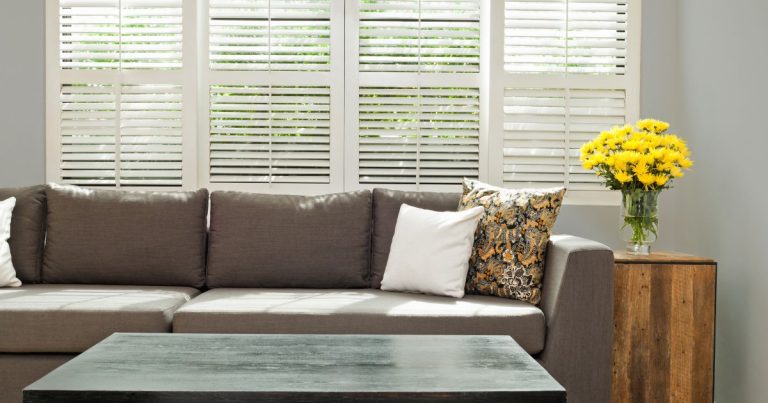
Your living room is a space for socialising, relaxing, and entertainment. Outside of work hours, it will be traditionally the place you spend most of your time awake, and so you’ll want to make sure the only noise you hear is within your home. Shutters can provide quiet for all purposes, while ensuring that the noise leaving the premises is kept to a minimum.
Alongside shutters, you can add furnishings that absorb sound, like filled bookcases or wall coverings.
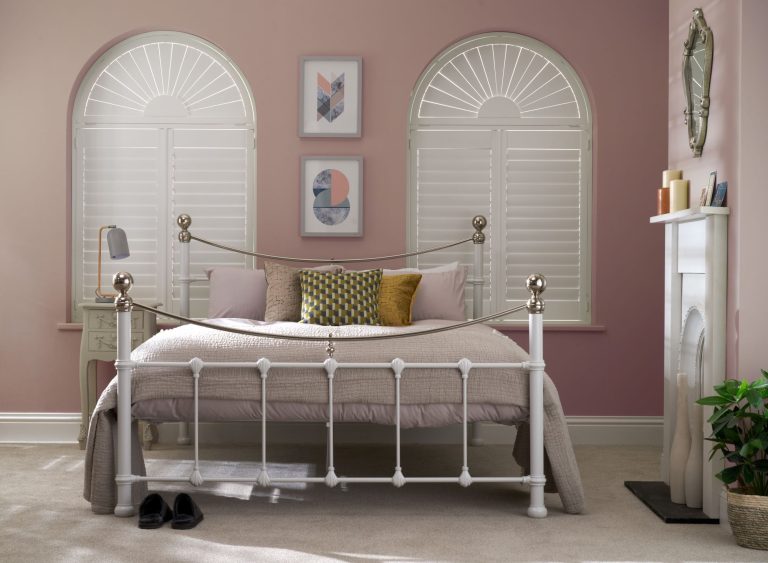
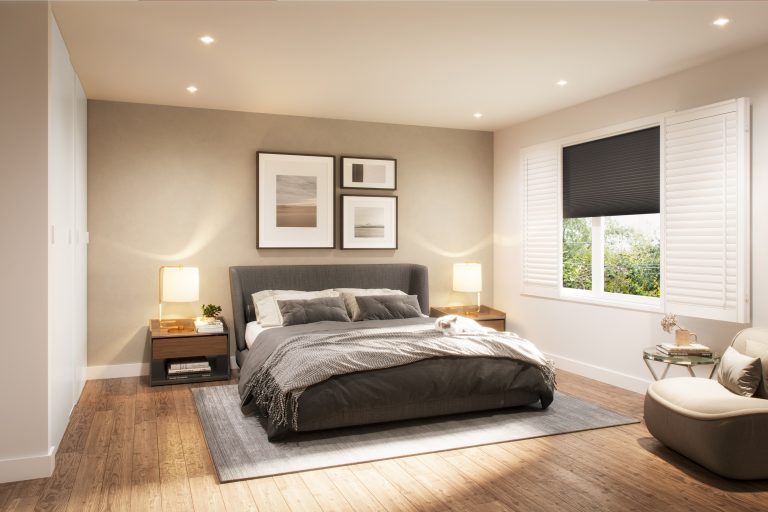
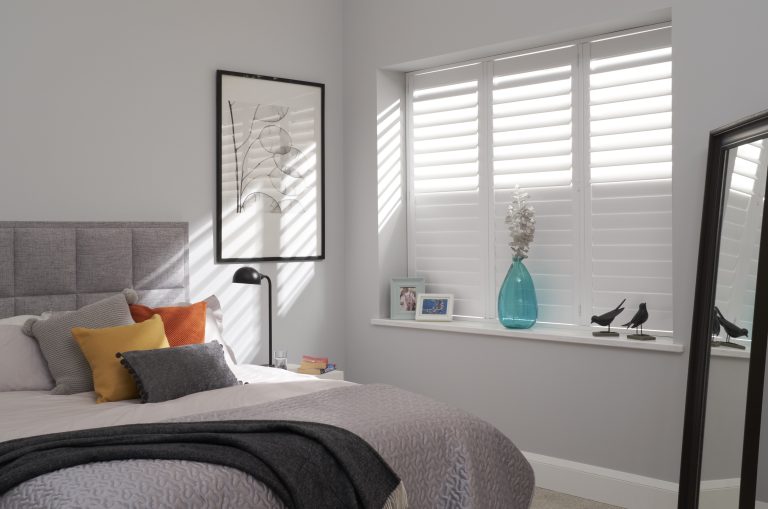
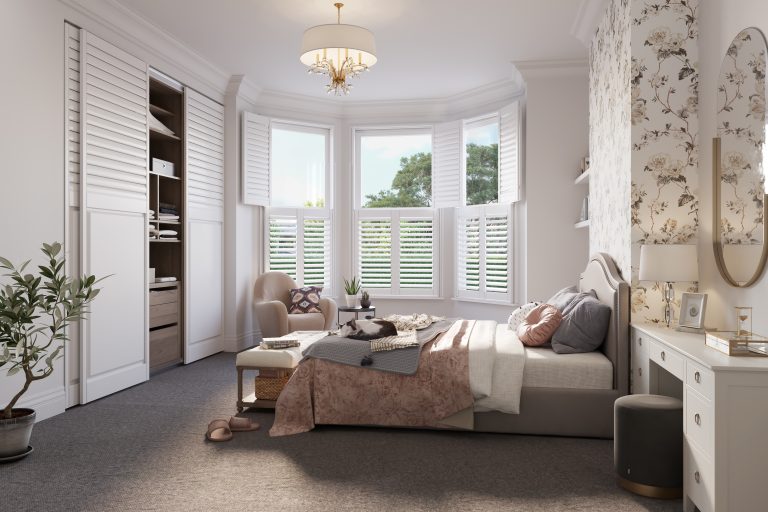
Bedroom
Outside noise can significantly disrupt a peaceful night’s sleep, leading to fatigue and restlessness. According to the Sleep Foundation, long-term effects of noise on sleep include high blood pressure, heart disease, and weight gain.
Shutters can ensure you get rest easily as they reduce noise getting in at all times of the day. Other benefits include the ability to control light, which is particularly important for sleeping on summer mornings when sunrise is far earlier.
Ultimately, if you do not have effective window fittings, you may not be getting the quality of sleep you deserve or even need.
Study
Now that home working has been popularised since the COVID-19 pandemic, having a quiet space is more important than ever before, not only for concentrating, but also while in important online meetings.
Even everyday noise, such as car alarms or people talking, can really affect your ability to work, particularly if your study faces onto a road.
Even everyday noise, such as car alarms or people talking, can really affect your ability to work, particularly if your study faces onto a road.
Are shutters better at noise reduction than other window coverings?
When it comes to reducing noise, different window coverings offer varying levels of effectiveness depending on their design and materials.
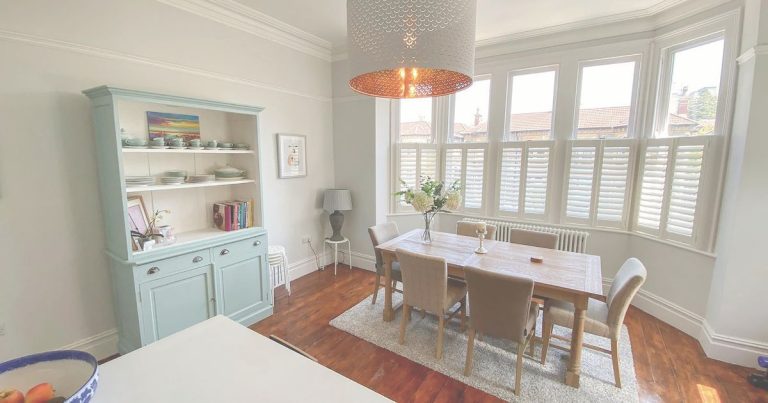
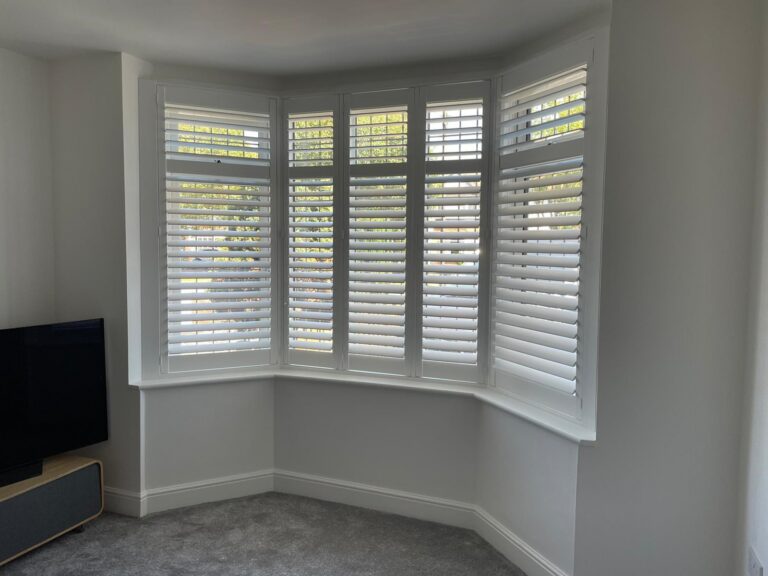
Shutters are often considered a strong option because of their structured, made-to-measure fit. Installed directly within the window recess, they create a more sealed barrier, which can help limit the amount of sound entering a room.
Curtains, on the other hand, are made from softer materials that can absorb some sound, particularly if they are thick or specially designed for noise reduction. However, as they typically hang away from the window, they may leave gaps where sound can pass through.
Blinds generally provide the least noise reduction, as they are made from thinner materials and offer minimal coverage against the window. While they are effective for light control and privacy, they do little to block or absorb sound.
Ultimately, shutters, curtains, and blinds can all play a role in managing noise, but shutters tend to offer a more consistent reduction due to their fitted structure. For the best results, combining window coverings with solutions such as double glazing can further improve sound insulation while also enhancing energy efficiency.
Which shutters provide the most noise reduction?
Noise reduction can vary depending on the materials you choose.
Here’s a brief guide about which is best in this instance:
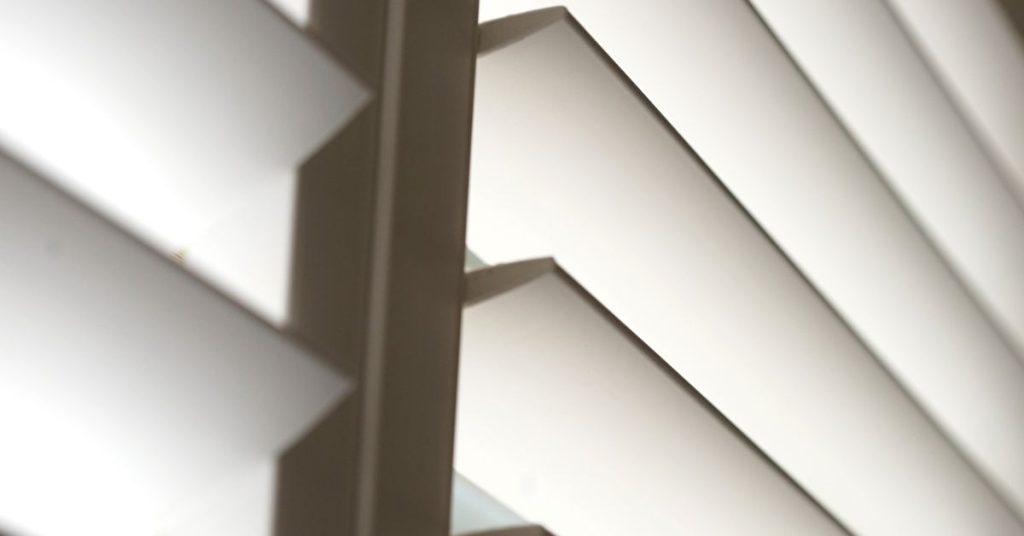
Wooden shutters
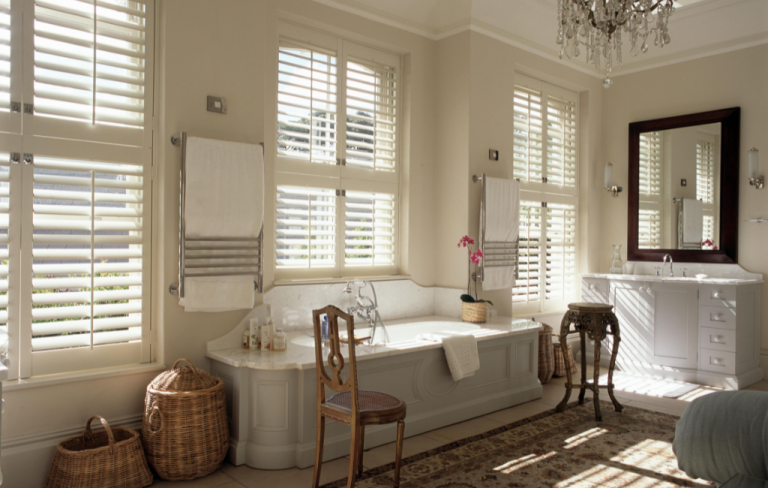
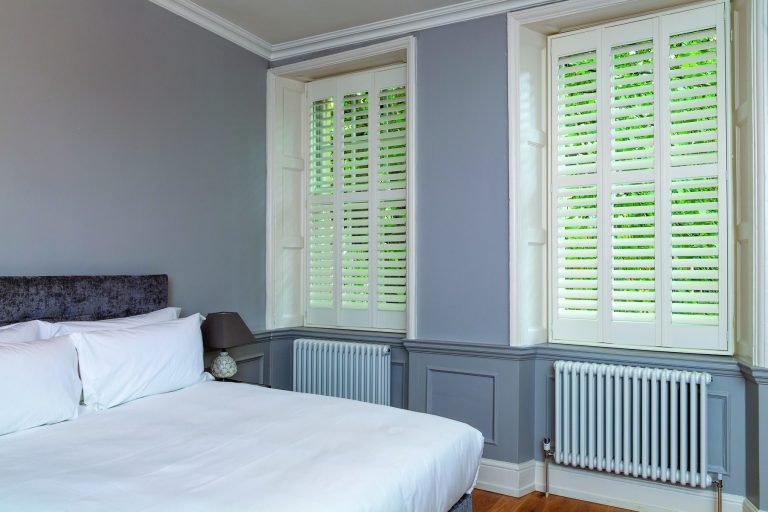
Wood is typically thicker and denser than other materials, and acts as a barrier to sound as they absorb sound waves, especially when closed. Not only do they prevent noise, but they also insulate your property from heat, cold, light, and electricity.
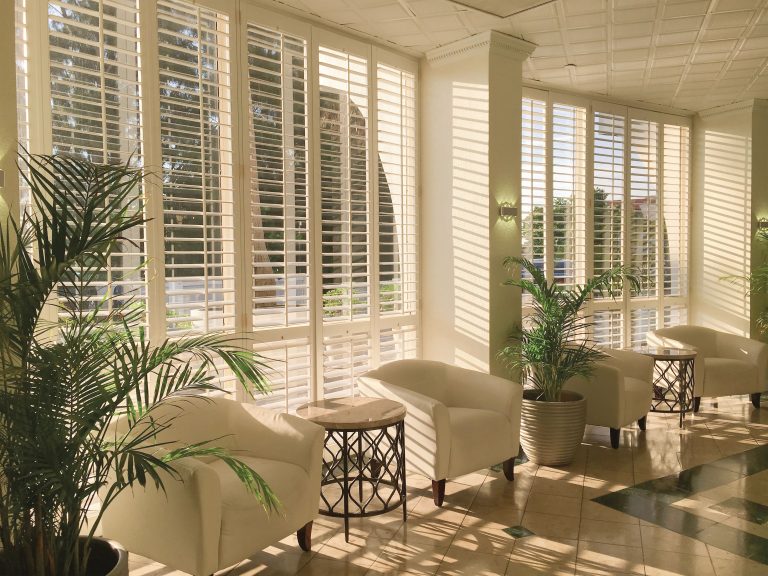
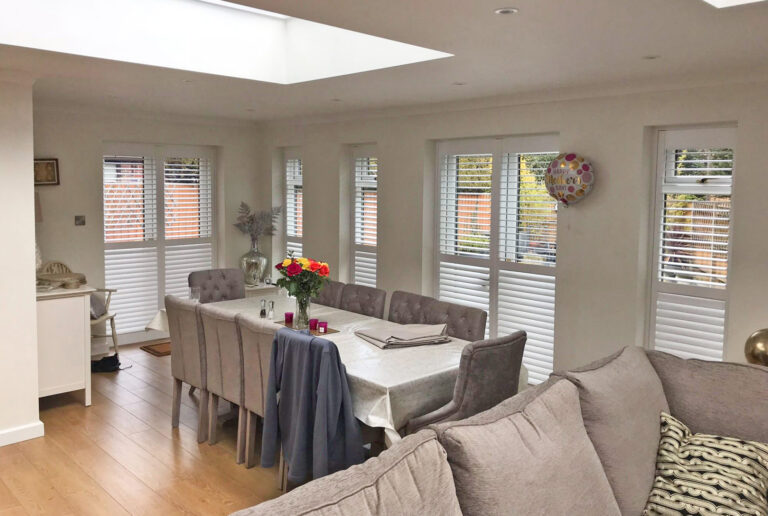
Hardwood shutters, particularly plantation shutters, are particularly effective as they can cover the entire expanse of your window.
Vinyl shutters
While vinyl shutters can help to prevent noise pollution from outside, they are not considered as effective as their wooden counterparts. However, they do still reduce noise from entering your home, so if you prefer the look or feel of vinyl shutters, this can still be an option.
Full height shutters
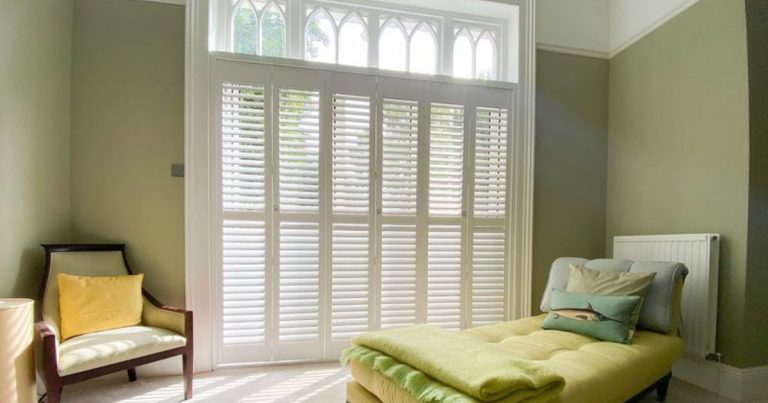
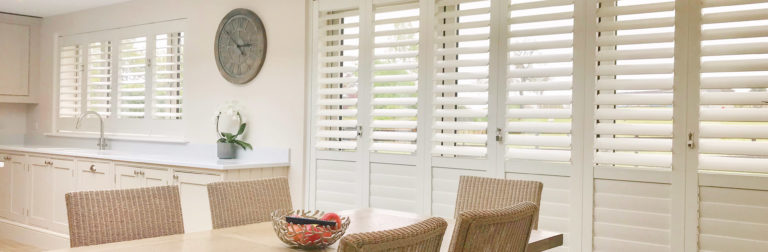
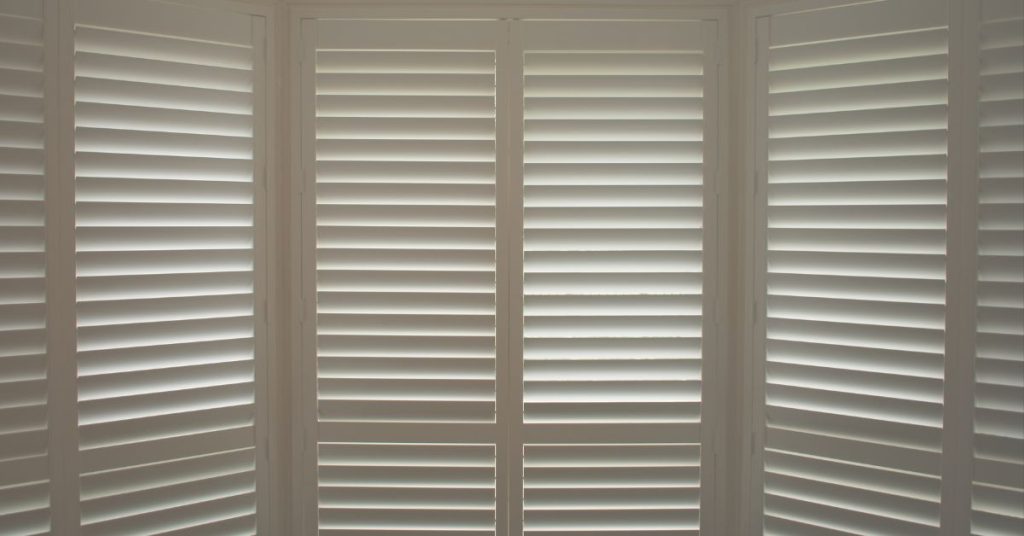
Shutters are most effective when they cover the full width of your windows, and so full-height styles will provide the best soundproofing abilities. Not only this, but they offer unbeatable light control.
Cafe-style shutters
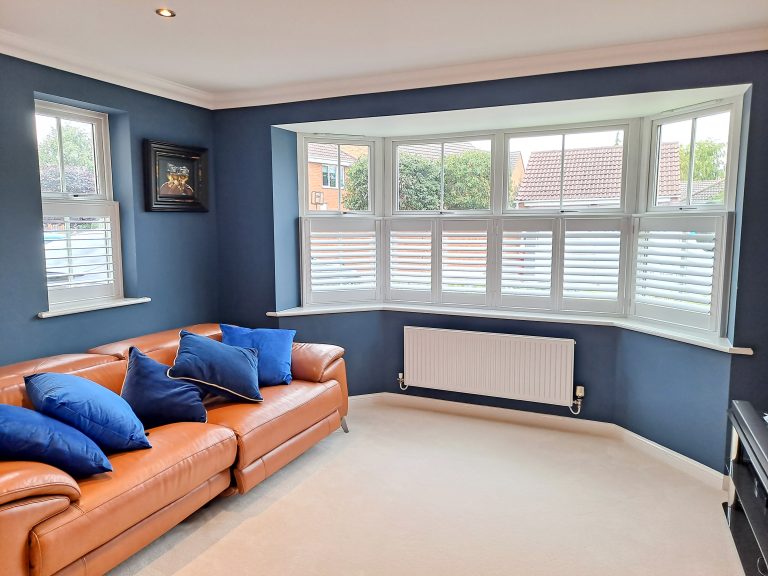
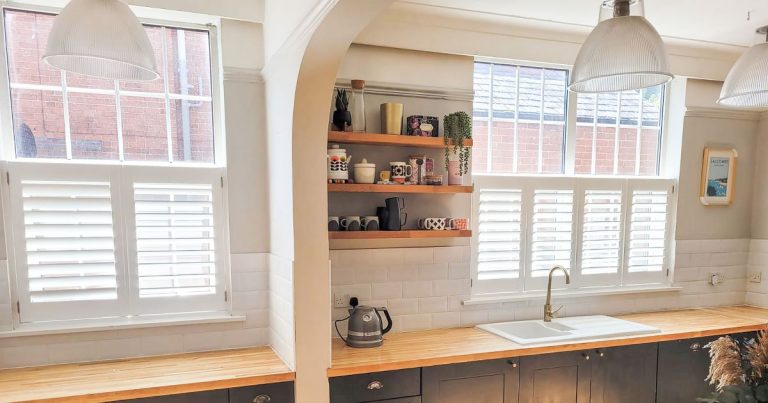
As this style typically leaves space at the top of the window, these are not as effective at cancelling sound as other styles of shutters. While this provides lighter control and privacy than not having them, it also lets in more sound than full height shutters.
Tier-on-Tier shutters
For those who want upper and lower shutters that work independently from one another, this can be an effective upgrade from cafe-style shutters in the noise reduction department.
What else helps reduce noise at home?
While shutters can significantly reduce noise, combining them with other solutions can create an even quieter and more comfortable environment.
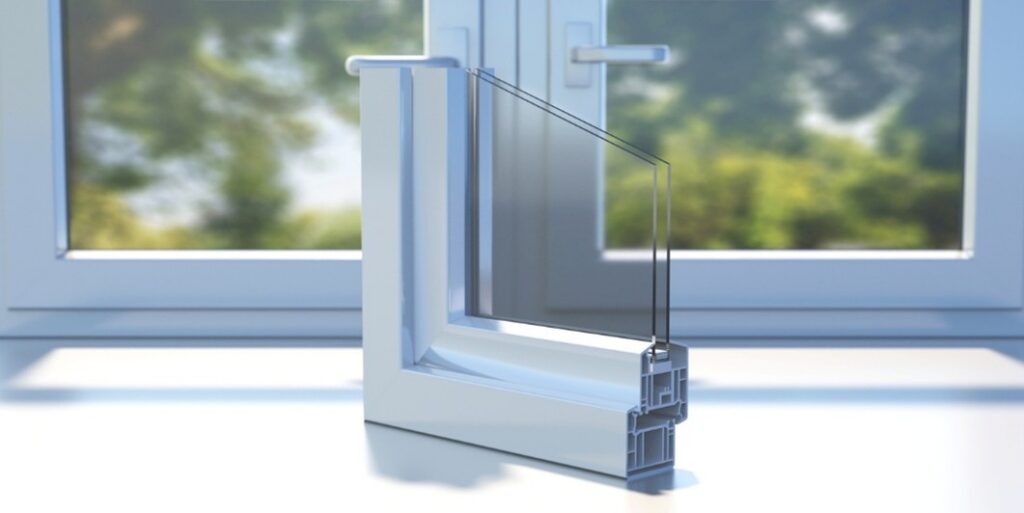
Double glazing is one of the most effective ways to minimise sound entering your home, as the additional pane of glass helps to dampen external noise. Adding rugs and carpets can also make a difference by absorbing sound within a room, reducing echo and improving overall acoustics.
Soft furnishings such as curtains, cushions, and upholstered furniture can further help to soften noise, both from outside and within the home. Finally, sealing any gaps around windows and doors is a simple but highly effective way to prevent sound from leaking in.
Noise reduction benefits of professional installation
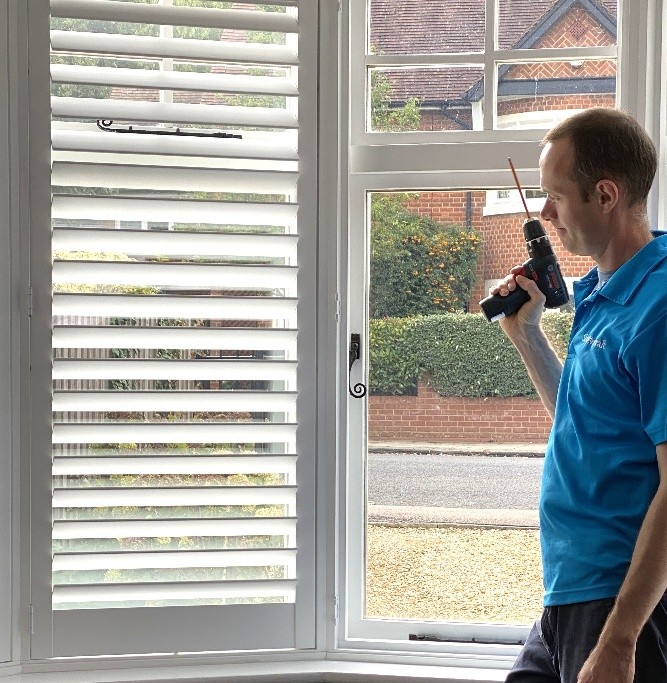
To get the most from shutters in terms of noise reduction, the quality of the fit is just as important as the product itself. Even small gaps around a window can allow sound to pass through, which is why professional installation makes a noticeable difference.
With expert fitting, shutters are made to measure and installed precisely within the window recess. This creates a tighter, more secure fit, helping to minimise gaps and reduce the amount of external noise entering your home. In contrast, poorly fitted or off-the-shelf options are more likely to leave spaces where sound can travel through.
Choosing a professional service also means your shutters are tailored to your specific windows, ensuring consistent performance across every room. Alongside improving noise reduction, this level of precision enhances insulation, light control, and overall finish.
When you choose Shuttercraft, you’re investing in shutters designed and fitted for your home, backed by a long-lasting guarantee and expert support from start to finish. If you’re looking to create a quieter, more comfortable space, booking a free, no-obligation survey is the best place to start.
FAQ’s
Do Shutters block outside noise?
Shutters can help reduce outside noise by adding an extra barrier at your window. Their solid structure and close fit limit how much sound enters your home, although they won’t block noise completely.
Are shutters good for soundproofing?
Shutters are not designed to fully soundproof a room, but they are effective at reducing everyday noise. They work by dampening sound waves rather than eliminating them, making your space noticeably quieter.
Do plantation shutters reduce traffic noise?
Yes, plantation shutters can help reduce traffic noise, especially when fully closed. Their full-height coverage and solid materials make them particularly effective at minimising common outdoor sounds like passing cars.
What window covering is best for noise reduction?
Shutters are often one of the most effective options due to their fitted design and solid construction. However, thick curtains can also help absorb sound, while blinds tend to offer the least noise reduction. For the best results, combining shutters with double glazing can further improve sound insulation.
Do shutters work with double glazing?
Yes, shutters work very well alongside double glazing. While double glazing helps reduce noise at the glass level, shutters add an extra layer of insulation, further limiting the amount of sound entering your home. Together, they can significantly improve overall noise reduction.