 Trusted by homeowners
 10 Year Warranty
 Trusted Quality
 Made to Measure





 Search

When choosing internal shutters, the material you select is just as important as the aesthetics. From creating the right look, to withstanding daily wear and tear, your choice will influence not only how your shutters look, but how they perform in your living spaces.
Whether you’re after a classic wooden finish for a living room, or a waterproof solution for a bathroom, understanding the benefits of each window shutter material, such as engineered wood composite (EWC), hardwood, or ABS, is key to making the right decision.
In this guide, we’ll walk you through the options so you know how to choose shutters that functions with your lifestyle and interior design.

Why the Right Shutter Material Matters
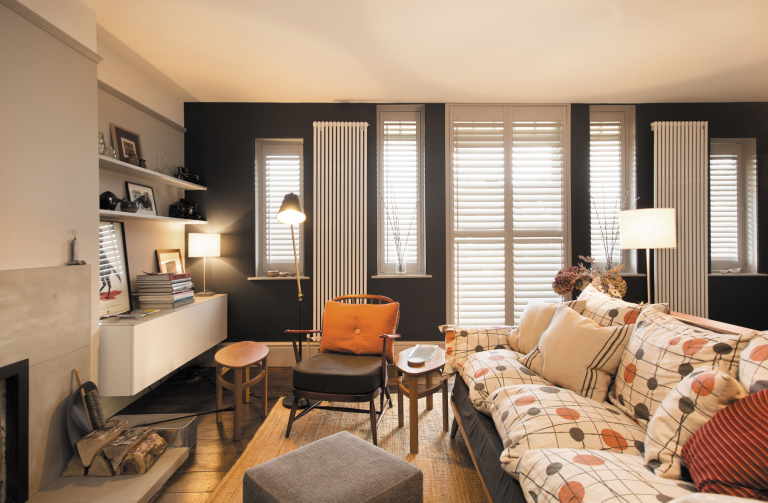
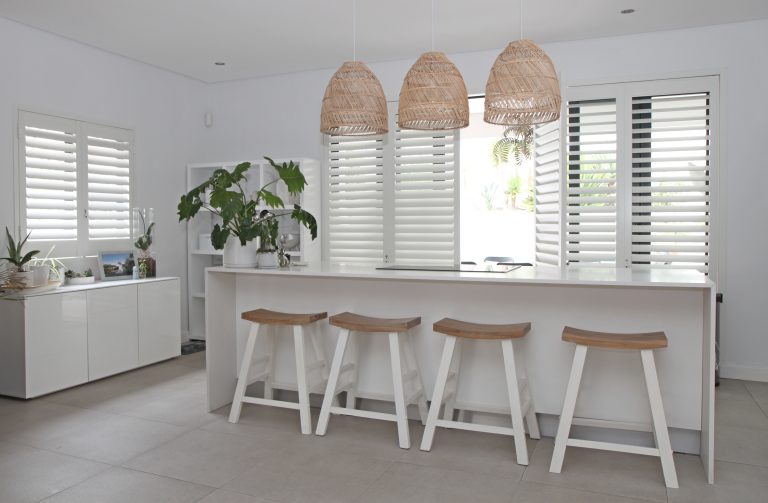
When people think about shutters, they often focus on colour and style – but the material is just as crucial and can affect how your shutters function over time. A sleek painted EWC might suit a modern family living room, while a natural wood grain adds warmth to a more traditional space.
Moisture, heat, and daily use all affect how your shutters age. Choosing a shutter material suited to each room’s environment helps ensure your shutters don’t warp, chip, or get damaged.
From robust waterproof finishes to luxury hardwoods, each material offers a unique balance between longevity, appearance, and functionality in the home. Understanding what each shutter material offers will help you choose the best material for shutters in every room in your home.
Durability
The material of your shutters directly affects how well they perform over time. Each window shutter material can offer excellent durability and resist warping, fading, and natural degradation when installed in the right space.
Cost
Shutter materials come at different price points. EWC is generally the most cost-effective option, offering great value for everyday use in main living spaces. Hardwood shutters tend to be more expensive, providing a premium finish, and fall somewhere between. Waterproof ABS shutters offer a specialised finish that withstands harsher elements, making them more expensive.
Appearance
Each material offers a distinct finish and feel. EWC shutters typically have a smooth painted look, while stained hardwood offers natural grain and texture for more traditional interiors. ABS can mimic the look of classic wooden shutters, but provides greater practicality and durability, making them perfect for moisture-prone areas like bathrooms and kitchens where both appearance and resilience matter.

Comparing Window Shutter Materials
Antigua – EWC Shutters
Antigua shutters are our bestseller, offering great value and all-round benefits. Crafted from multiple layers of bonded wood with a polymer coating, they’re perfect for family rooms and high-traffic areas in your home.
Best for: Bedrooms, living rooms, home offices
Pros: Cost-effective, smooth painted finish, sturdy for everyday use, easy to clean
Cons: Not moisture resistant, not available in special shapes or stains
Bermuda – Blend of EWC and ABS
Bermuda shutters combine an EWC frame with ABS louvres, balancing durability and style. They’re a solid mid-range choice for busy households, where you want a sleeker look or larger panels.
Best for: Versatile use throughout the home and available in custom colour
Pros: Lightweight, resilient, natural finish
Cons: Limited options for hinged panels, and not available in shapes
Antigua – EWC Shutters
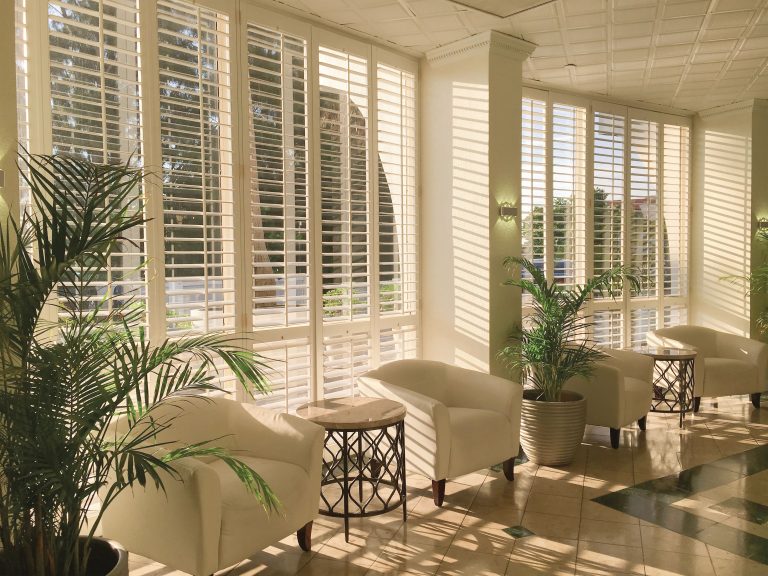
Combining an EWC frame with hardwood louvres, Cuba shutters are lightweight and durable. This makes them one of the best options for larger window expanses and room dividers.
Best for: Large windows, room dividers, bespoke wardrobe doors, and custom colour options
Cons: Not moisture resistant, no availability for special shapes, and not offered in large louvre sizes (114mm)
Pros: Lightweight, enjoy the luxury that hardwood offers
Java – Waterproof Shutters (ABS)
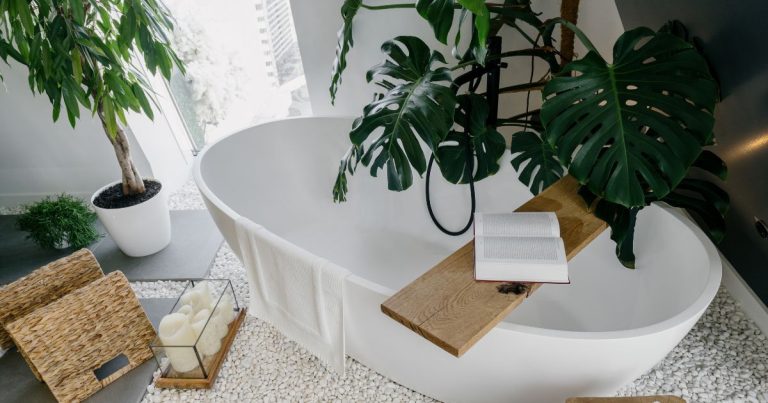
Crafted from hardwearing ABS, Java shutters are specifically designed for areas with high moisture levels. They deliver the same sleek style as painted wood, while offering added protection for longevity.
Best for: Bathrooms, kitchens, utility rooms, children’s rooms, and special shapes
Pros: 100% waterproof, highly durable, easy to clean
Cons: Heavy, limited hinged panel options, and not ideal for large expanses due to the weight
Fiji – Hardwood Shutters
Crafted from hardwearing ABS, Java shutters are specifically designed for areas with high moisture levels. They deliver the same sleek style as painted wood, while offering added protection for longevity.
Best for: Bathrooms, kitchens, utility rooms, children’s rooms, and special shapes
Pros: 100% waterproof, highly durable, easy to clean
Cons: Heavy, limited hinged panel options, and not ideal for large expanses due to the weight
Fiji – Hardwood Shutters
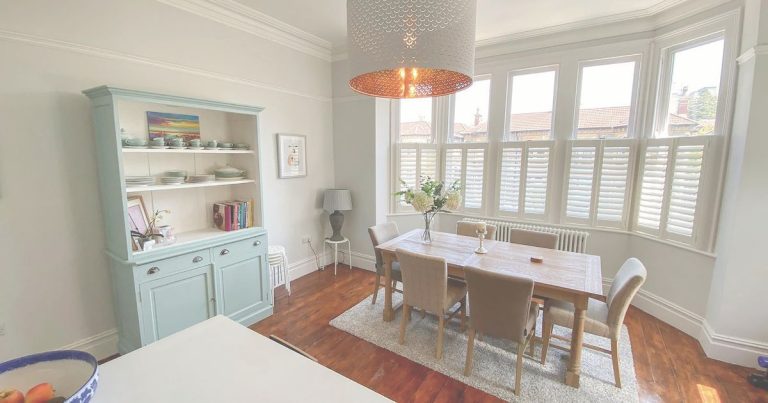
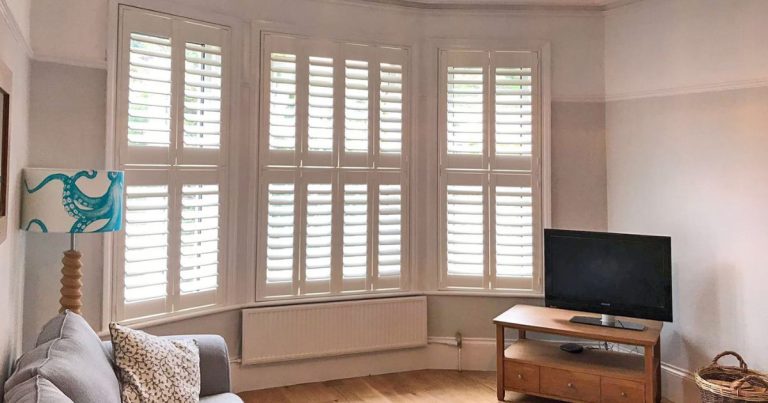
Made from Paulownia wood, Fiji shutters are a great option for adding warmth to interiors. They’re especially suited to living rooms and bay windows where privacy and interior style are key.
Best for: Living rooms, dining areas, traditional or period homes, shapes, roof shutters, and doors
Pros: Premium look and feel, crafted from sustainable hardwood, great durability in low-moisture areas
Cons: Wood is more prone to marking, so it’s not recommended for busy family homes
Portchester – Security Grade Aluminium Shutters
Crafted from durable aluminium, Portchester shutters are designed to enhance your home’s security while maintaining an elegant interior look. Ideal for ground-floor windows, patio doors, or any area where privacy and protection are just as important as style.
Best for: Straight edged windows, patio doors, security-conscious homes
Pros: Integrated lock and key system, strong and discreet, stylish powder-coated finish, adds security without compromising aesthetics, can be installed outdoors
Cons: Higher price point, fewer customisation options, heavier construction, and only one louvre size

Aesthetic Appeal and Design Advantages
Let’s compare window shutters materials to help you choose the best shutter material room by room:
| Room | Recommended Material | Pros | Cons |
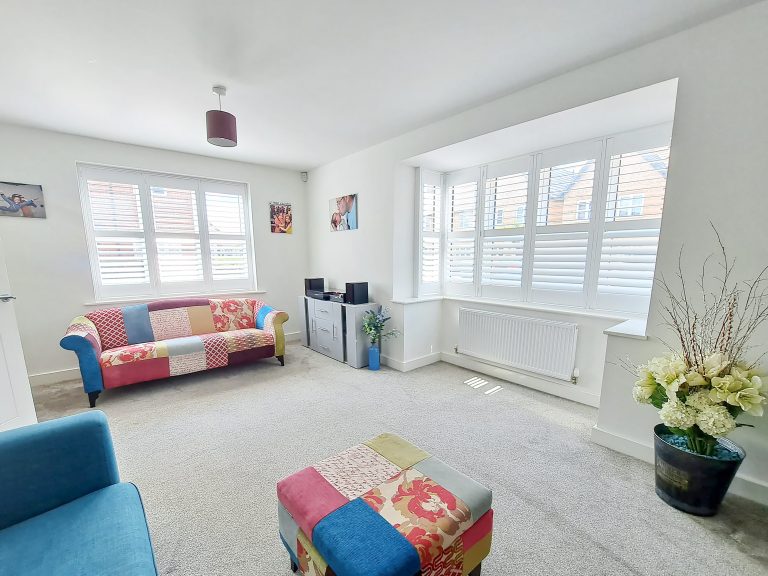
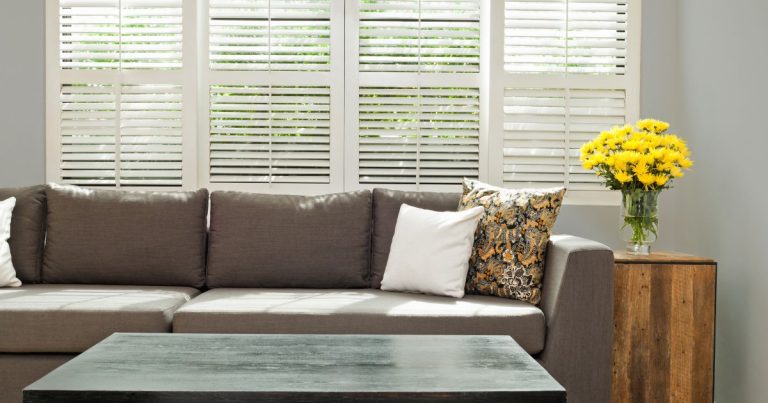
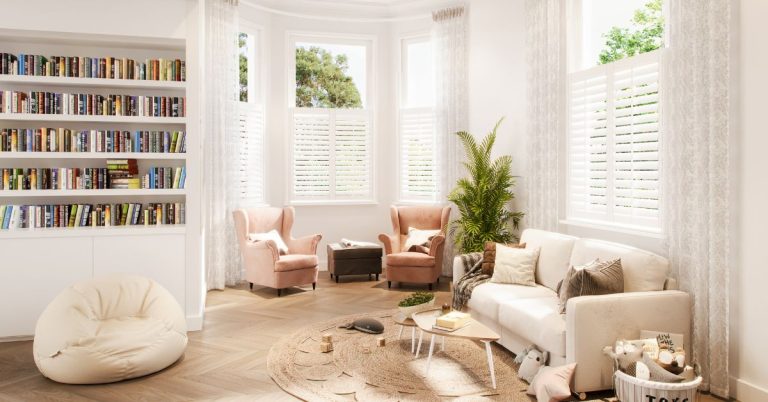
| Living Room | Fiji Hardwood | Premium look, natural finish, great for traditional spaces | Higher cost, may mark more easily |
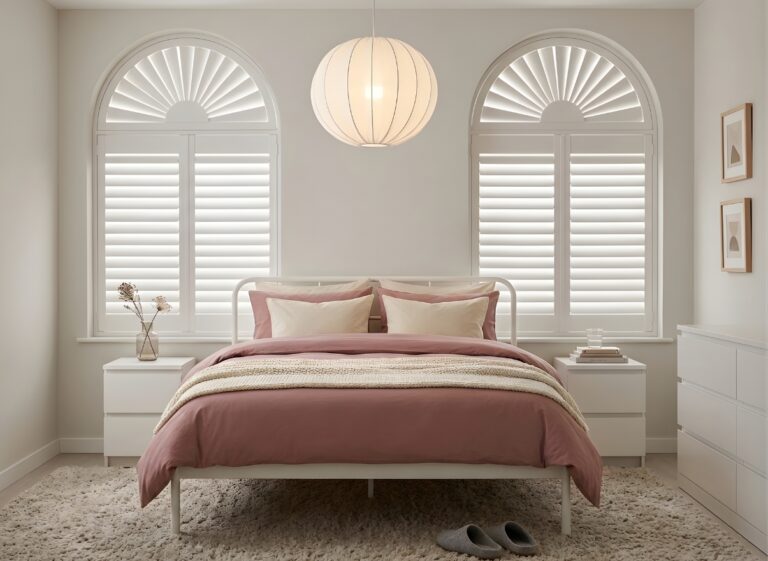
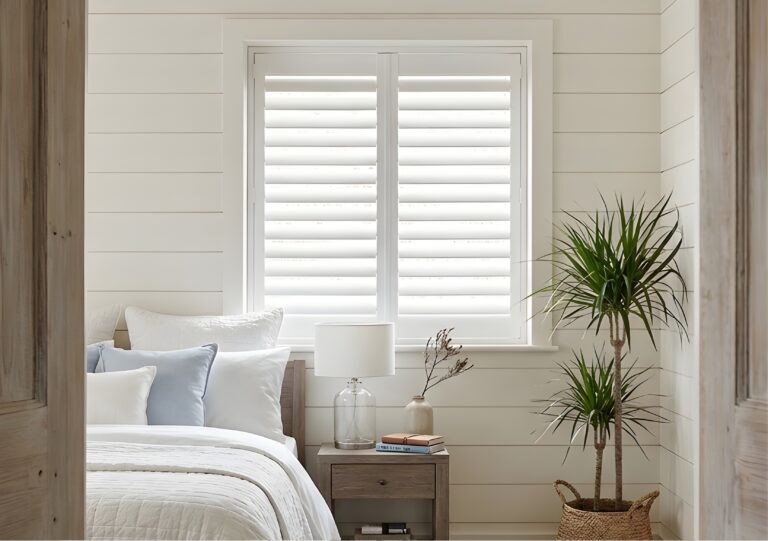
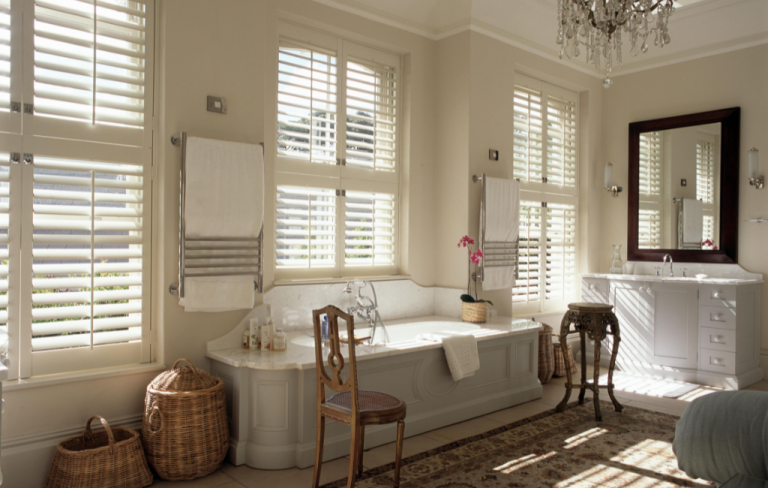
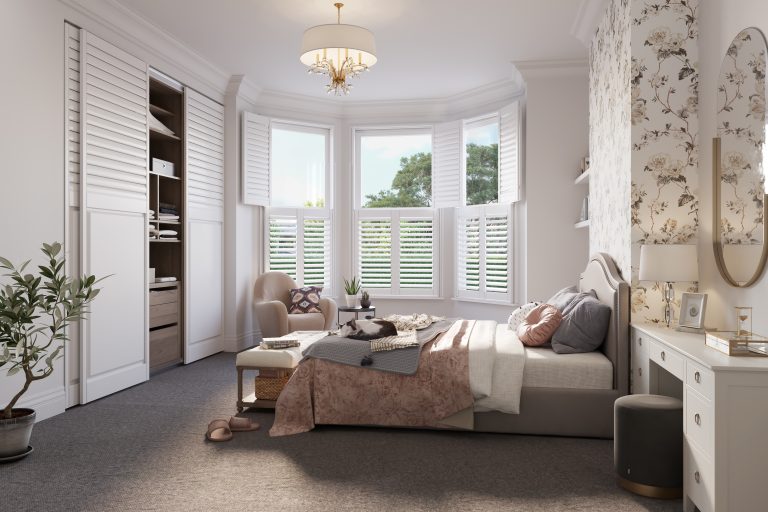
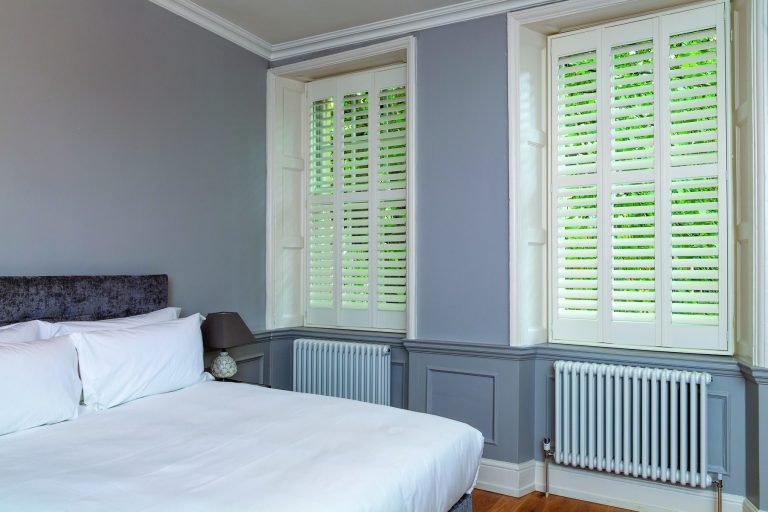
| Bedroom | Antigua EWC | Affordable, smooth painted finish, durable for daily use | Not suitable for humid conditions |
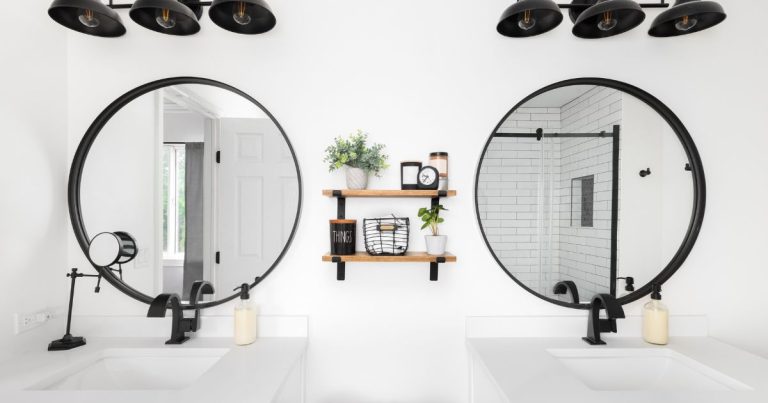
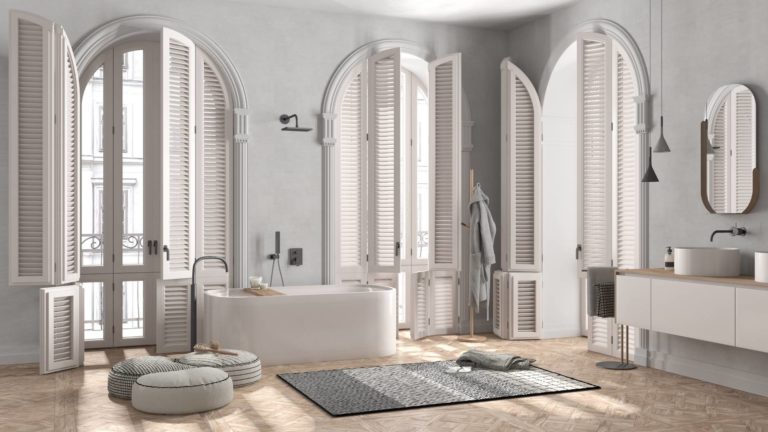
| Bathroom | Java Waterproof ABS | 100% moisture-resistant, durable, easy to clean | Its weight limits the width it can cover, making it less suitable for larger expanses. |
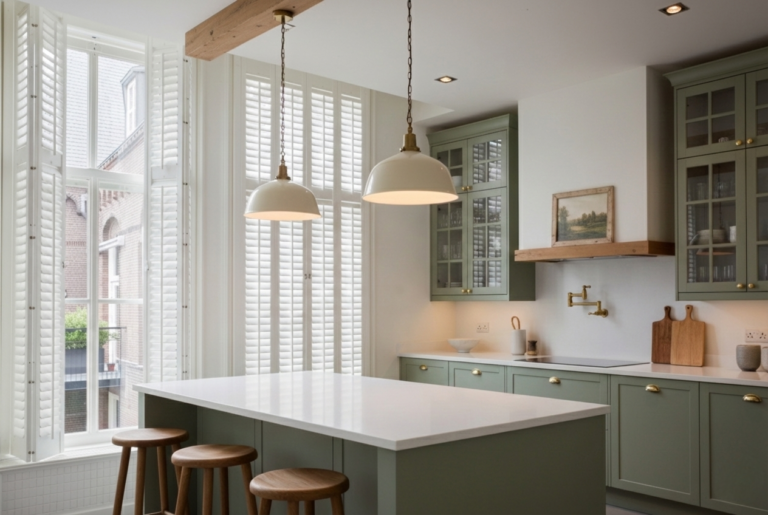
| Kitchen | Java Waterproof ABS | Handles steam and splashes, tough and long-lasting | Higher price point |
| Utility Room | Cuba EWC and Hardwood | Lightweight for large windows and doors | Not moisture resistant |
| Dining Room | Bermuda EWC and ABS | Handles steam and splashes, tough and long-lasting | Higher price point |
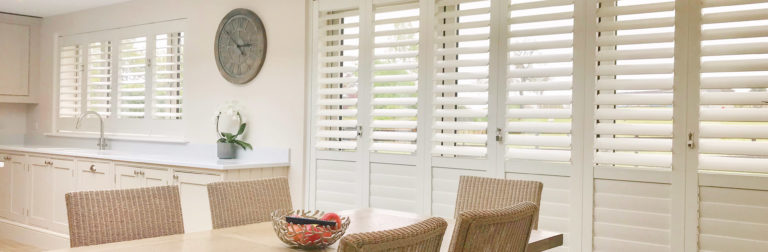
| Most Patio Doors | Cuba EWC and Hardwood | Lightweight for large windows and doors | Not moisture resistant |
| Vulnerable Patio Doors | Portchester Aluminium Shutters | Built-in security, powder-coated finish, sleek design | Premium price point |

How the Choice of Shutter Material Impacts Style
The material of your shutters plays a big role in the final aesthetic.
Colour: All our shutters offer flawlessly smooth painted finishes, while hardwood can be stained for a natural timber look. Choose from a range of standard colour and stain options or opt for our custom colour option.
Finish: Choose from a range of add-ons and customisations for your custom-made shutters, such as hinges, classic tilt rods or modern silent tilt mechanism, motorisation, and louvre size.
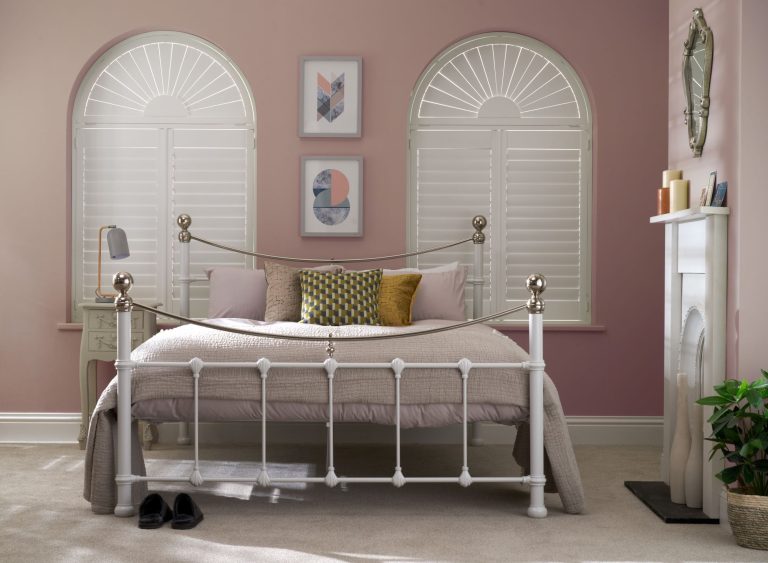
Flexibility: Some materials, like Fiji hardwood, are compatible with almost any shape windows or doors, making them ideal for unusually shaped windows.
If you’re unsure how to choose shutters, speak with your local Shuttercraft expert about your personal style, home décor, and lifestyle – they’ll help guide you to the best shutter material that complements your interiors.
FAQs
Are MDF shutters durable?
Yes, MDF shutters like Antigua (engineered wood composite) are extremely durable for everyday use in most living spaces, like bedrooms and living rooms. Any small marks are easy to clean and wipe away, so are a great option for high traffic areas in your home.
What’s the most waterproof shutter material?
Java shutters, made from ABS, are 100% waterproof and ideal for bathrooms and kitchens. They’re designed to avoid warping and discolouration, common with EWC shutters in humid spaces.
Is it worth paying more for hardwood shutters?
If you’re looking for a luxury finish and long-term value, hardwood shutters like Fiji are worth the investment, especially in living spaces where appearance matters most. They can enhance your home’s value.

Explore the Right Material for You
Every home is different, and so is every window. Take the guesswork out of choosing shutters by browsing our full range of shutter materials.
Book A Free Home Survey Today
Want expert advice tailored to your home? Contact us to book your free no-obligation home survey with your local Shuttercraft expert, they’ll guide you to the best shutter material, so you know how to choose shutters for your space!