 Trusted by homeowners
 10 Year Warranty
 Trusted Quality
 Made to Measure





 Search
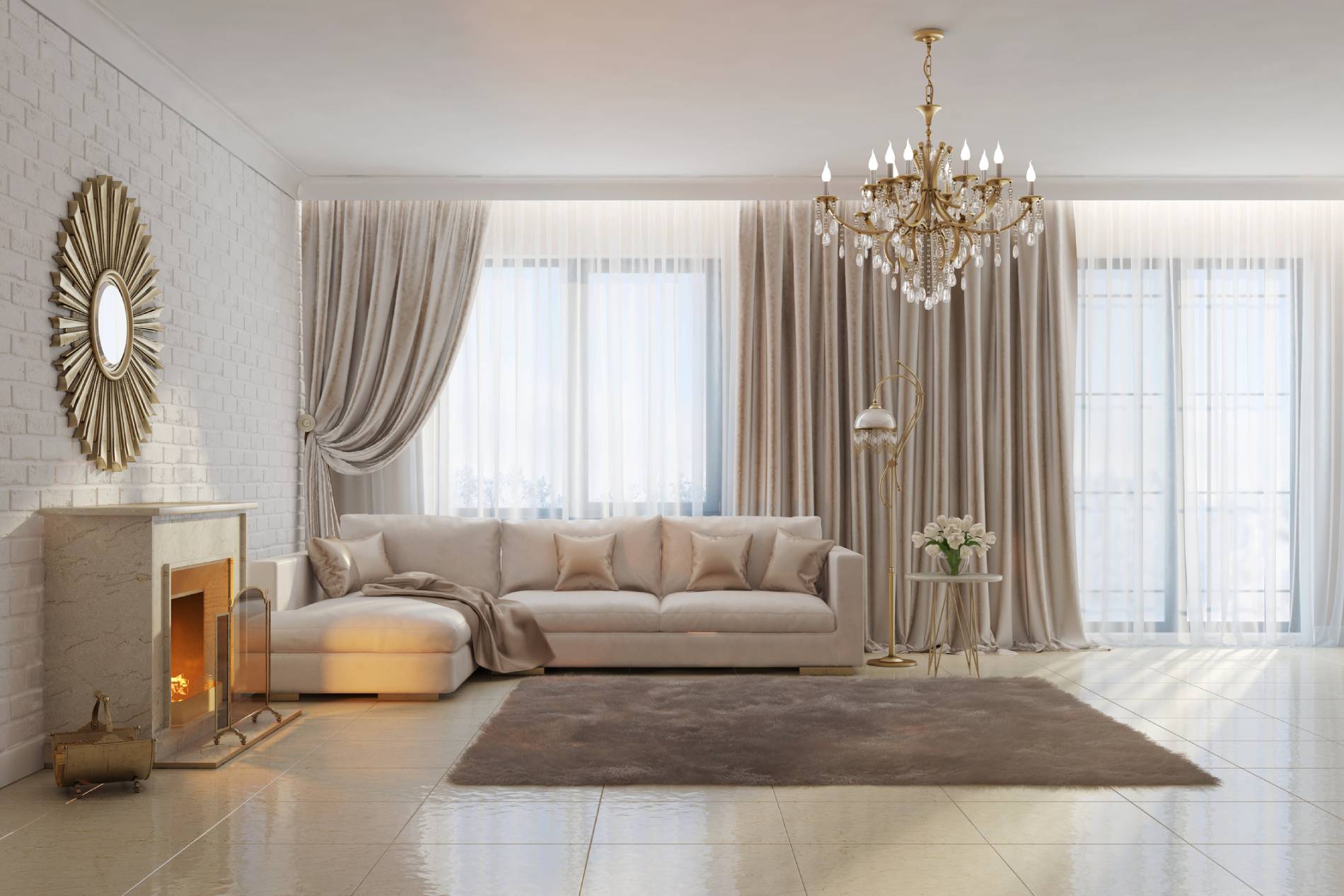
Quick Answer: Shutters offer better light control, insulation and long-term value, while curtains provide a softer decorative finish and greater flexibility in fabrics and styles. The right choice depends on your interior preferences, practical needs and how long you plan to stay in your home.
Choosing Between Shutters and Curtains
Both choices will refresh and revitalise a room, but not all window treatments are created equal!
You’ll no doubt expect us to recommend shutters wholeheartedly, but this isn’t always the case.
We have a very strict ‘no hard sell’ promise here at Shuttercraft, so if shutters aren’t going to be the right choice for you, you can trust us to provide an honest, objective opinion.
Special Shapes
A lot of the time, the choice between shutters and curtains comes down to personal preference.
However, if you’re dealing with unconventional window shapes, you may find that curtains simply do not work.
Even if your neighbours are close friends, you might not feel comfortable with them seeing you fresh out of bed, getting a coffee in the kitchen first thing.
Take, for instance, a triangular gable end that’s been transformed into a window.
There is no physical way of adding a track for a curtain at the narrow top that spans the full width at the bottom of the window.
Shaped Windows
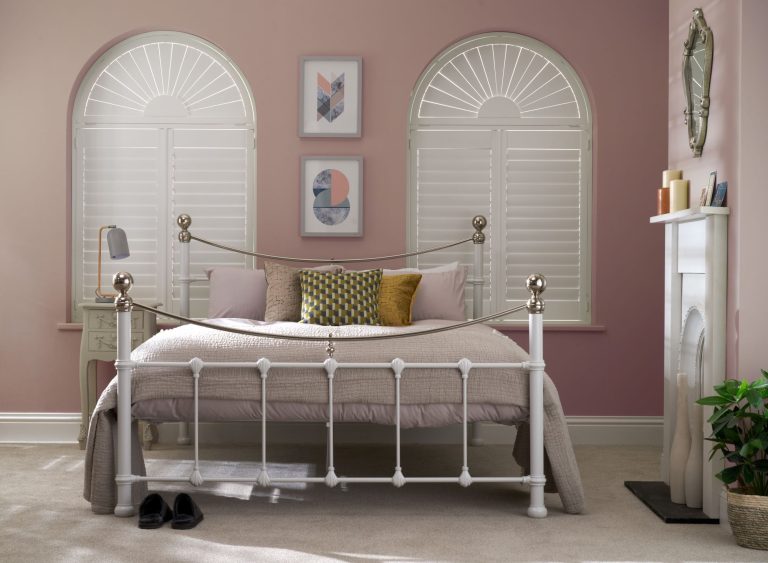
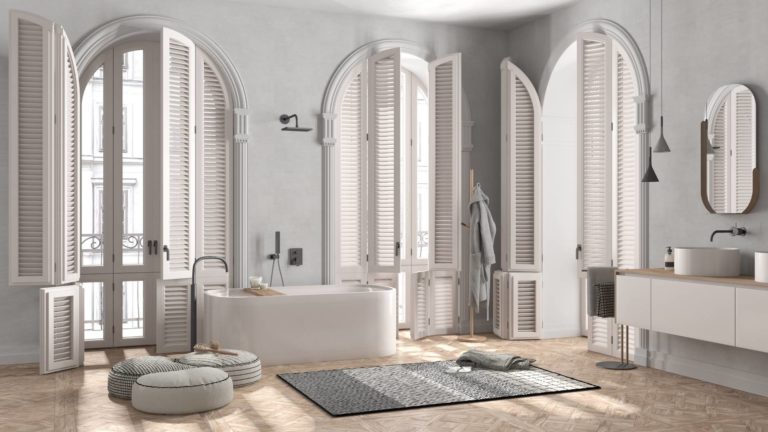
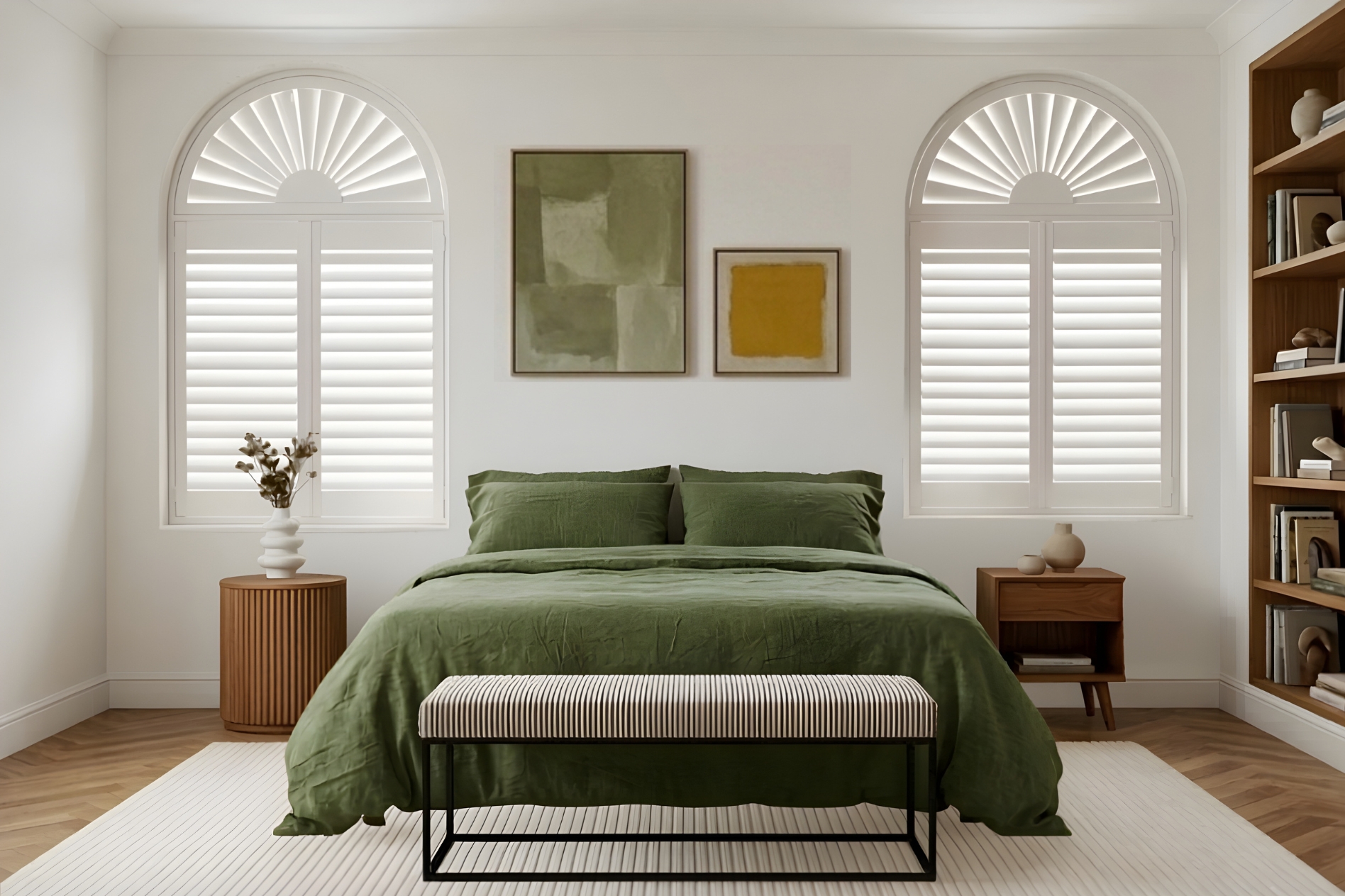
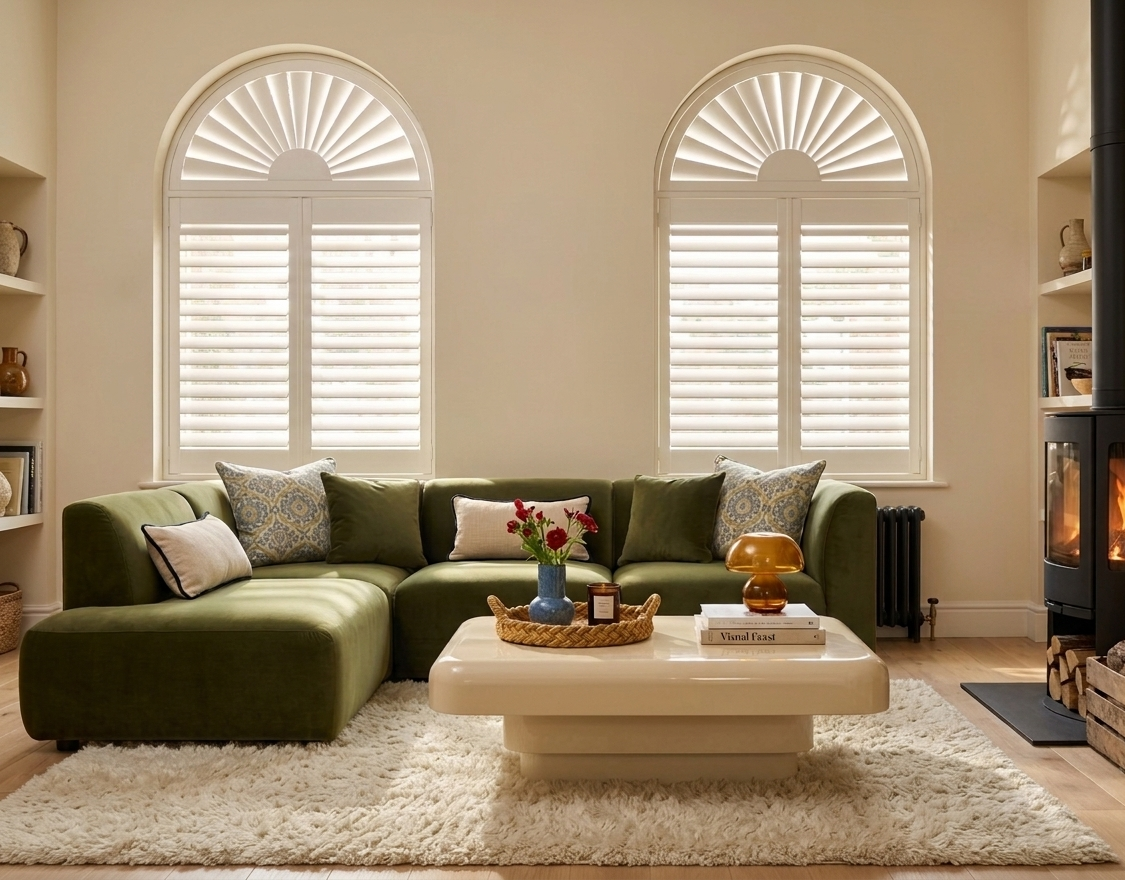
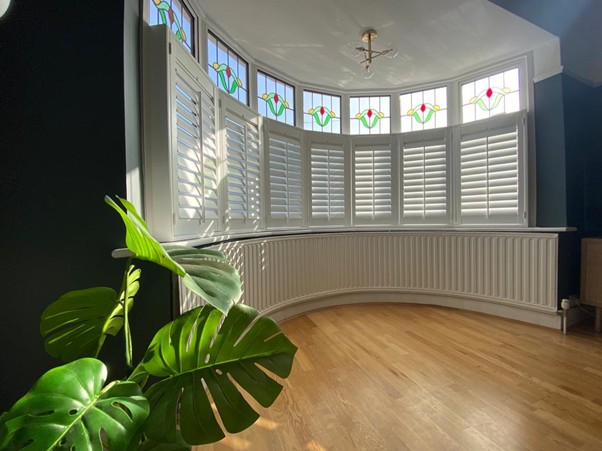
In instances like these, shutters are the only practical solution. Since shutters can be mounted in various ways, shutter designers will always find a way to work with special shaped windows.
Other special window shapes we often work with include:
- Triangular windows
- Circular windows
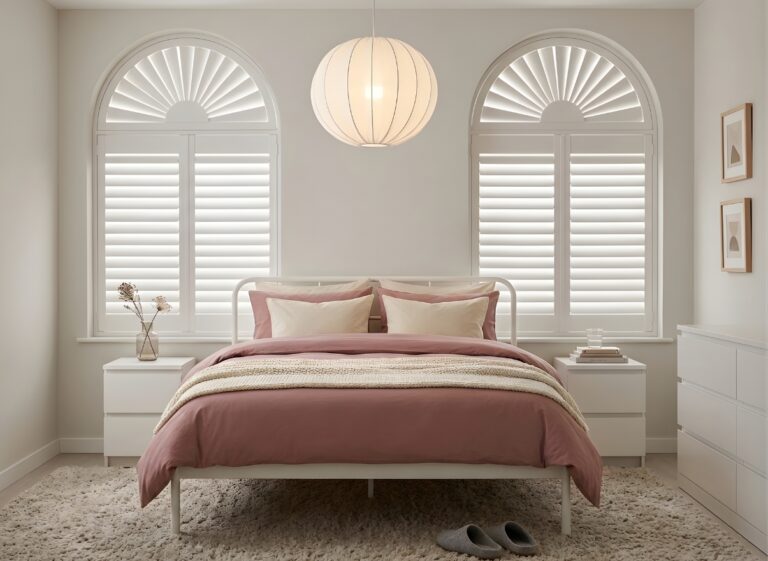
- Arched windows
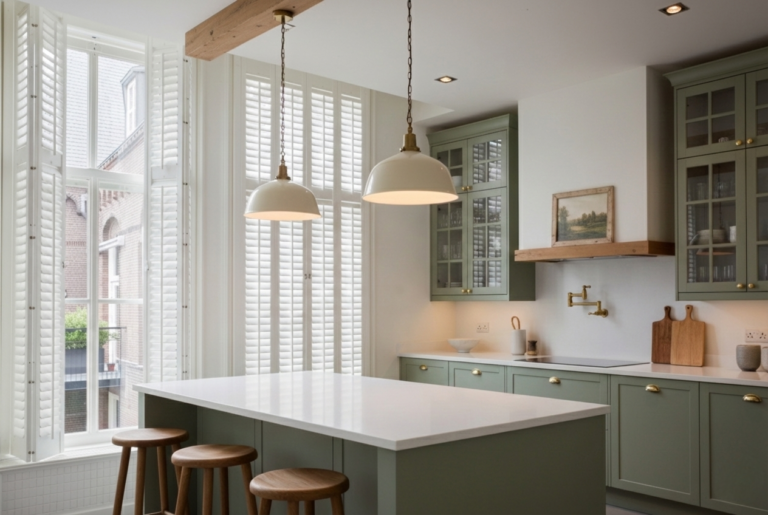
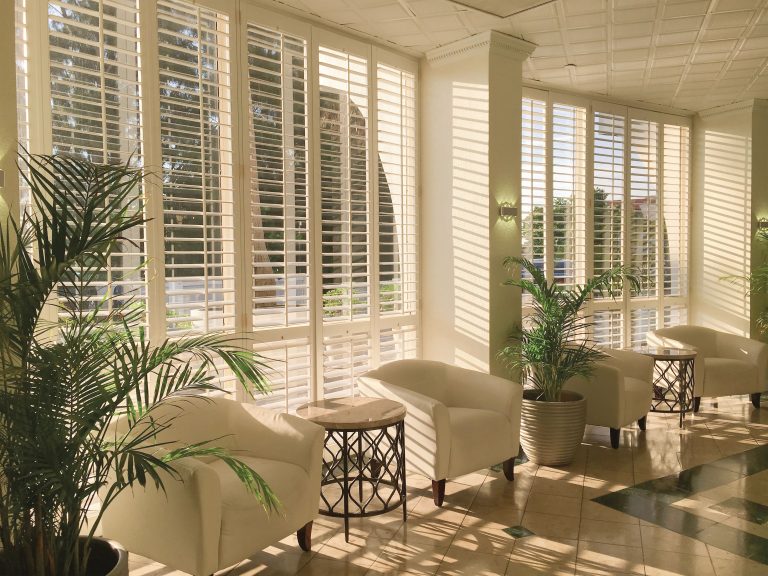
- Floor-to-ceiling windows
Of course, it’s not just physical practicality that stands in the way of curtains. Countless properties in the UK have unique feature windows.
In instances like these, it’s perfectly possible to hang curtains, but by doing so, you’ll be hiding a beautiful stand-out feature.
Privacy
The overwhelming majority of properties in the UK have windows that are visible from a road, footpath, or neighbouring property.
When it comes to privacy, plantation shutters usually win over curtains.
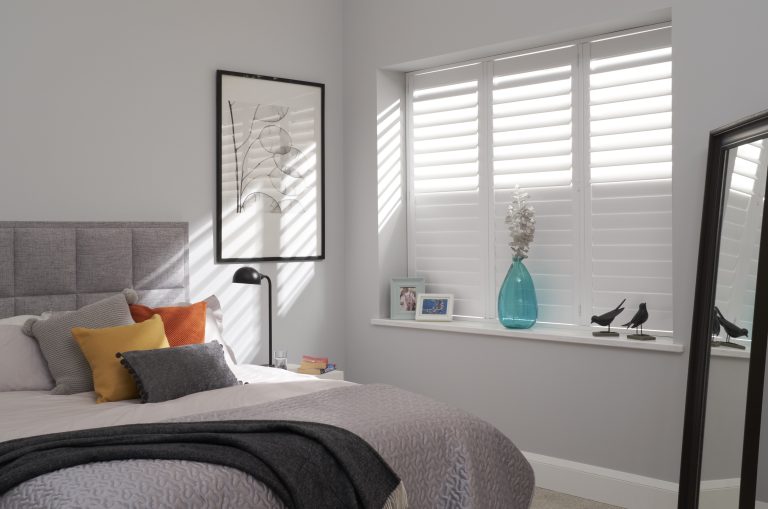
The reason comes down to the flexibility that louvres offer. With window shutters, you can adjust the louvres so you cannot be seen from a particular angle.
That means you can obscure the view from a busy street without shutting the light out altogether.
With curtains, your options are limited to open or closed. Having your living space closed off from the outside world during the darker winter months might not feel like a problem.
However, if your only option for privacy is closing the curtains at 6 pm on a summer’s day, you might be keen to find more flexibility.
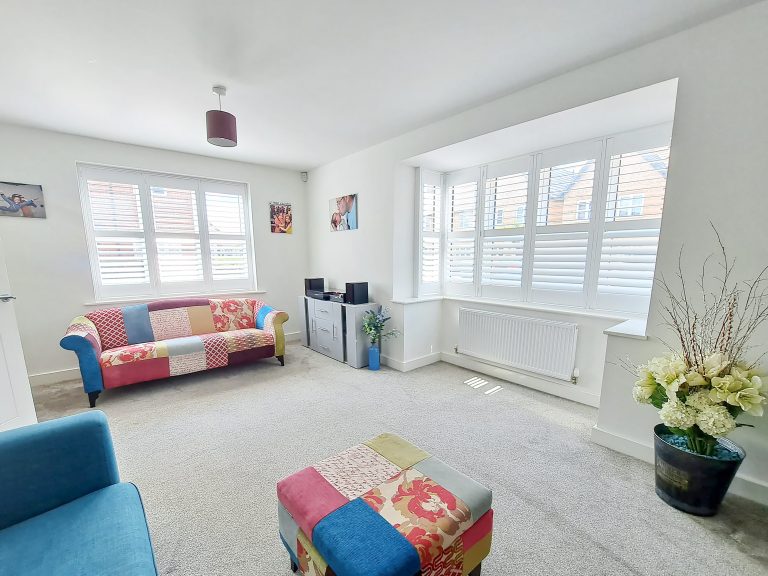
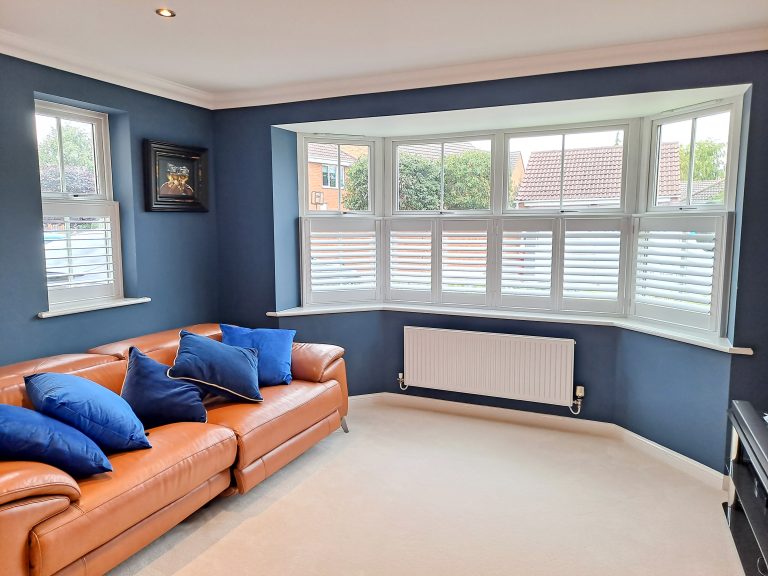
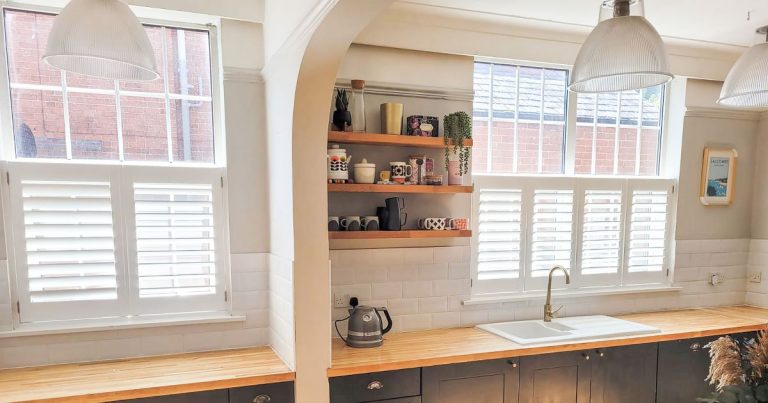
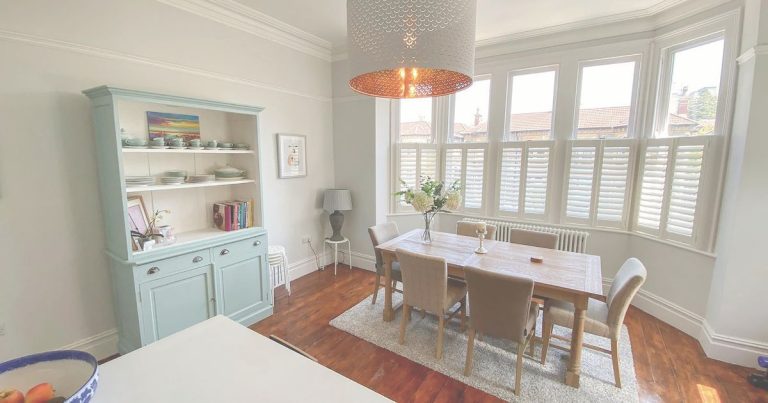
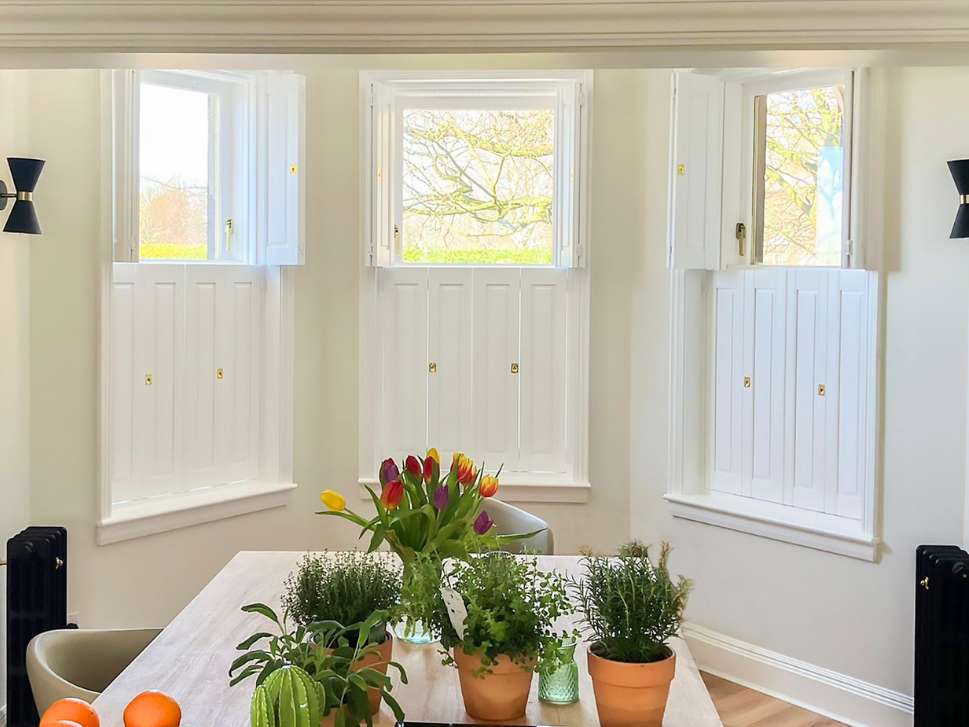
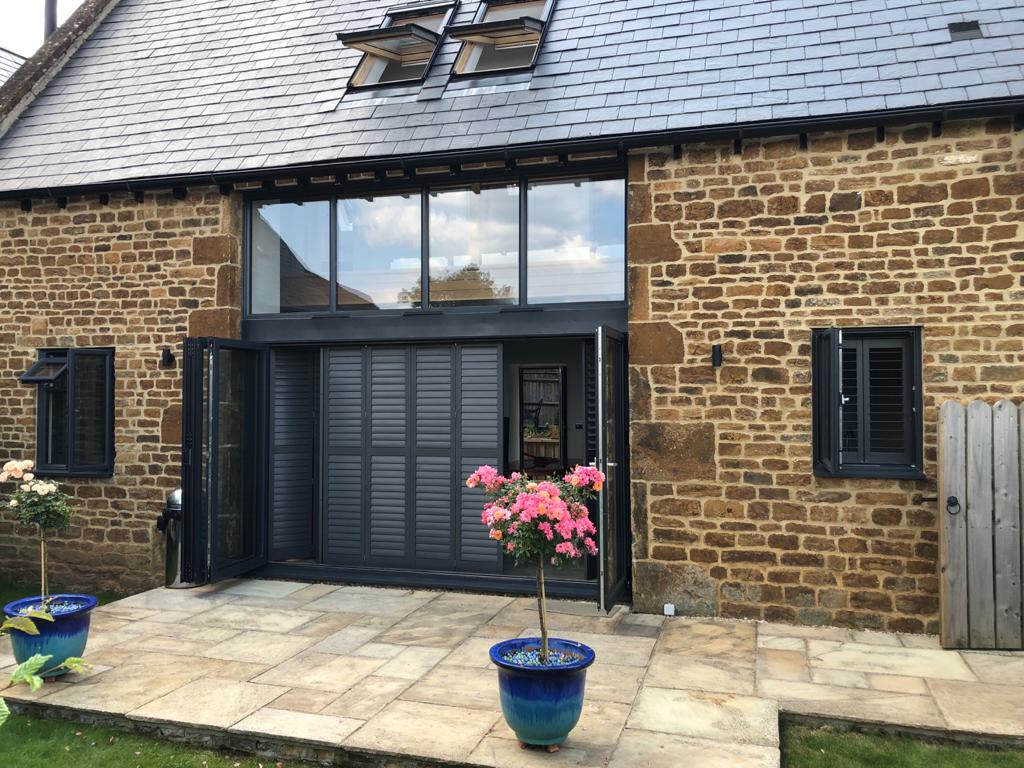
In some rooms, especially living areas and kitchens, café-style shutters offer a fantastic balance of light and privacy.
Covering just the lower section of your windows, a café-style window shutter gives absolute privacy when needed, without ever compromising on light.
Natural Light Control
It’s no secret that the weather in the UK can be unpredictable throughout the year. One day may bring bright sunshine, while the next is overcast and grey, making it difficult to maintain the right levels of natural light in your home.
Not knowing whether the sun will be high in the sky or hiding behind clouds can make it tricky to get the levels of natural light in your home just right.
If you choose curtains, you get an ‘all-or-nothing’ solution to light control. If they’re open, you’re at the mercy of the sun’s rays – but if they’re closed, your room is immediately dulled.
If you go for a half-measure and half-close them, you’ll constantly adjust them to keep the sun out of your eyes as it moves across the sky.
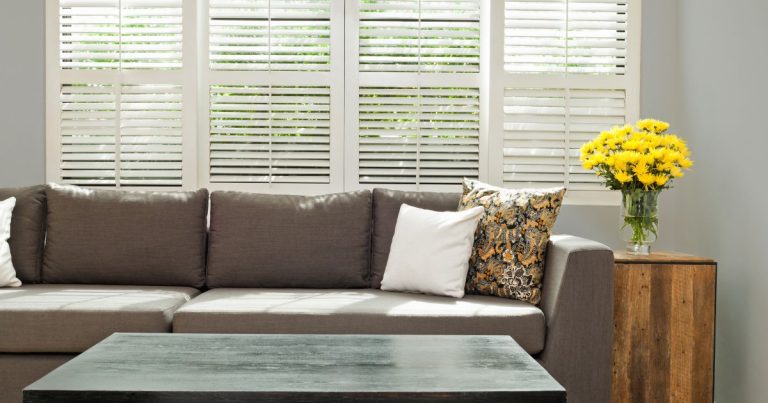
Plantation shutters have definite benefits when controlling the light coming in through your windows. Open the panels fully and you can enjoy all the sunshine the day has to offer. With a simple adjustment of the louvres, shutters also let you control the light exactly to your
Sercurity
You might think that window dressings aren’t going to make a great deal of difference to your household security.
In terms of your insurance premium, you’re probably right – but choosing shutters over curtains may have other security benefits.
Firstly, interior shutters give the impression that your windows would be more difficult to get through. An extra layer of solid material behind two panes of glass can certainly work as a visual deterrent. There’s also the fact that shutters can be angled so that would-be thieves cannot easily see into your home.
According to recent UK police crime-prevention guidance, burglars are often opportunistic and may target homes where valuables are visible through windows or where properties appear unoccupied. Making it harder to see inside your home can therefore help reduce the risk of unwanted attention.
Advice from the Met Police also highlights that thieves will often take advantage of visible valuables or easy access points. Alongside locking windows and doors, limiting visibility into your home can help improve peace of mind when you are out or away on holiday.
Unlike curtains, shutters can be adjusted throughout the day to balance privacy and natural light, helping your home feel bright and lived in without exposing your interior to passers-by.
For homeowners looking for a more robust shutter solution, our Portchester shutter range combines a solid engineered wood composite construction with a durable finish, making it a practical option for busy family homes and everyday living spaces.

Allergies and Maintenance
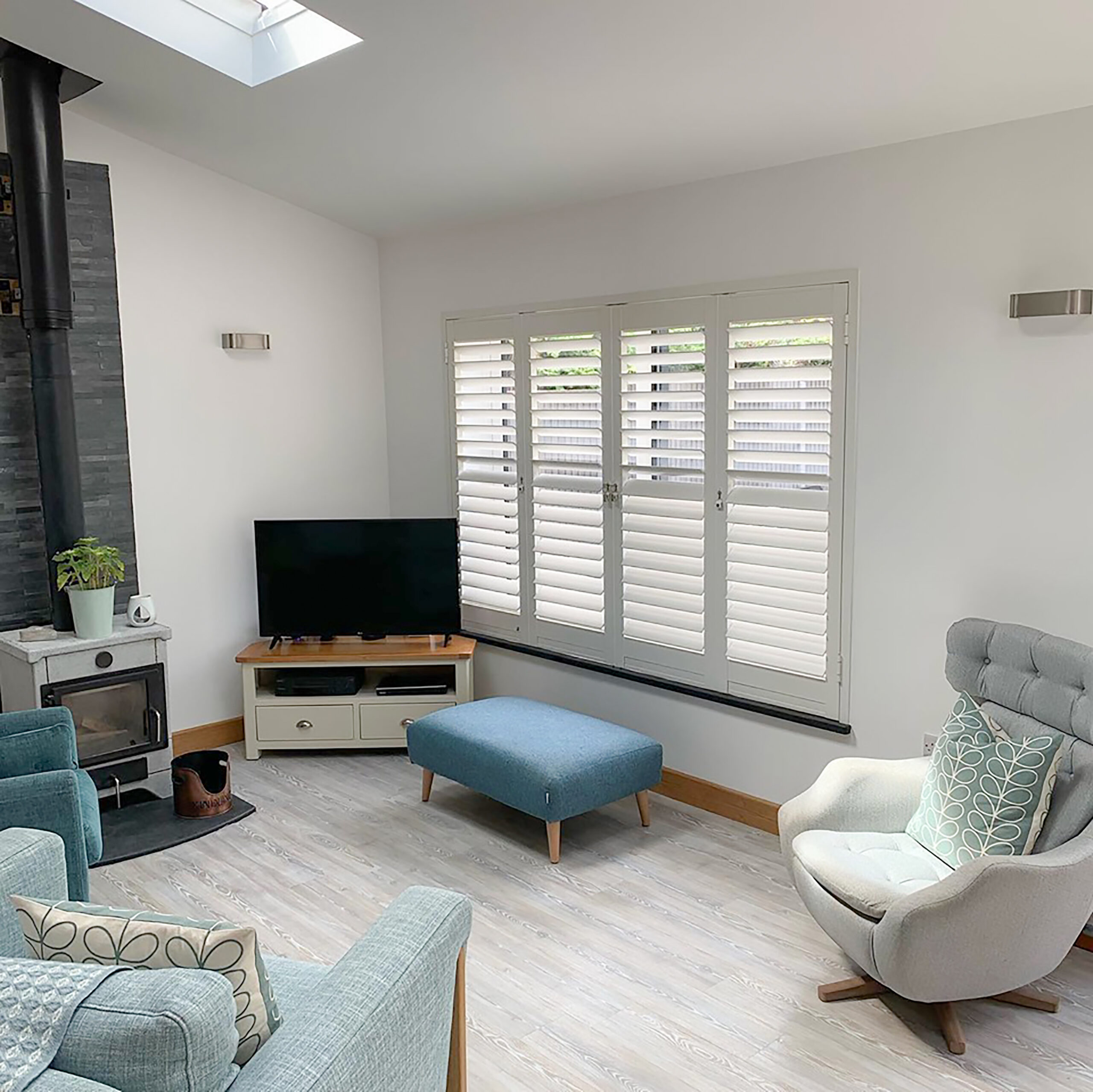
According to Allergy UK, millions of people across the UK live with allergies such as hay fever, dust sensitivity and pet-related allergies. Common indoor allergens include pollen, pet hair, pet dander, dust mites and mould spores, all of which can build up around the home.
Curtains, as large fabric coverings, can trap these airborne particles over time. While regular washing can help, allergens can quickly build up again between cleans.
Shutters, on the other hand, are fabric-free and made from solid materials, making them easier to wipe clean and maintain. Although dust can still settle on shutters, it can usually be removed in seconds, making them a lower-maintenance option for allergy-conscious households.
Room Darkening
Light plays an important role in sleep quality, and both shutters and curtains can help reduce unwanted light from streetlamps, car headlights and early sunrises. Blackout curtains are designed to block light effectively, while shutters can also reduce light levels, particularly when smaller louvres are used.
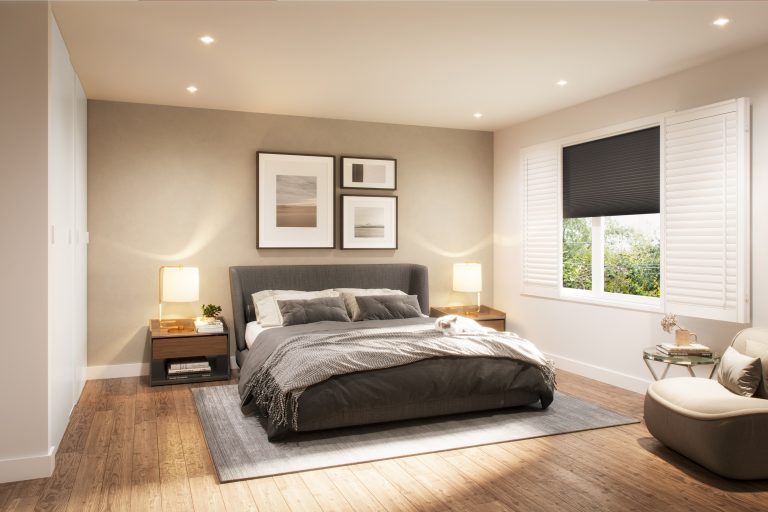
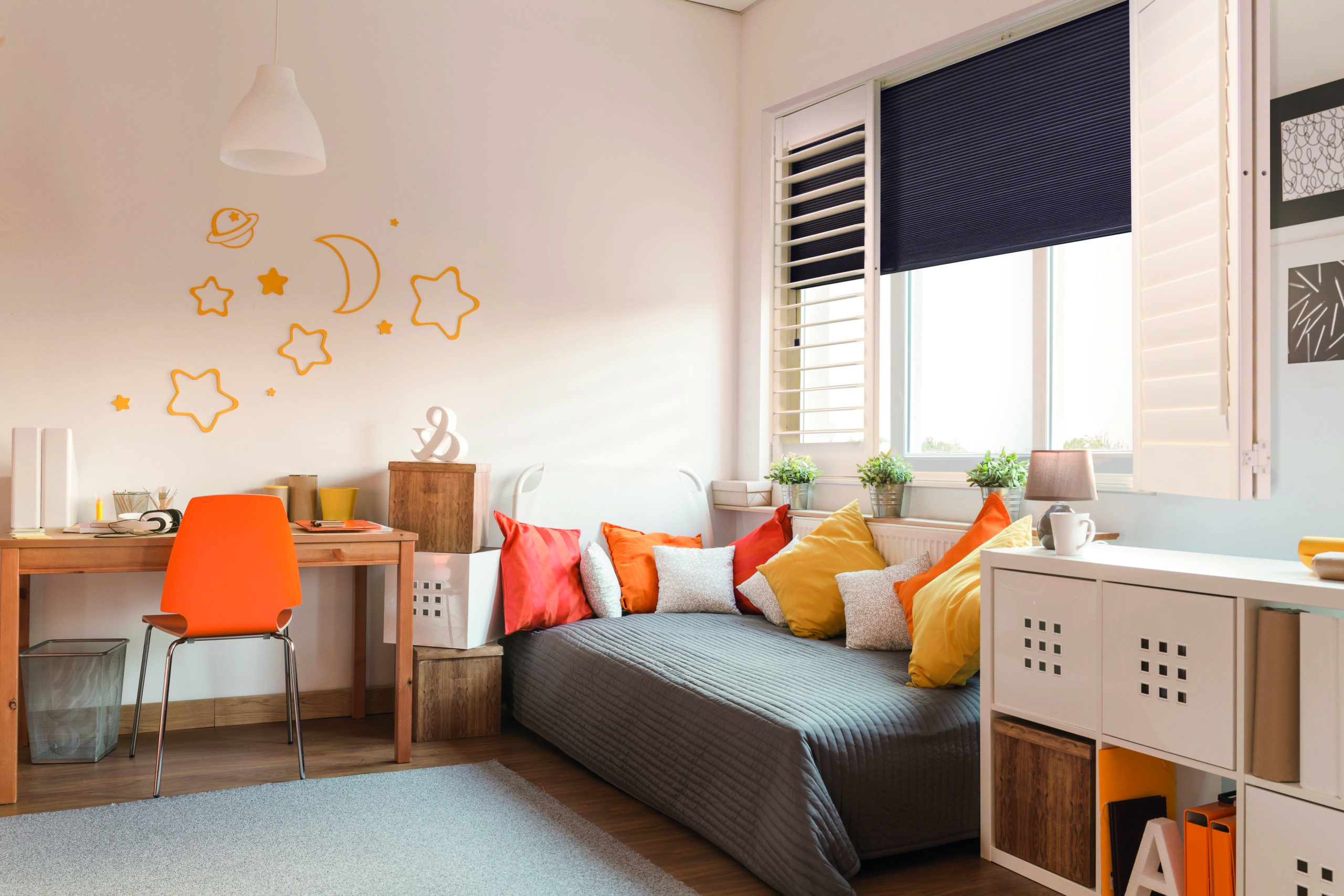
However, both standard shutters and blackout curtains may still allow small amounts of light around the edges. For those looking for enhanced room darkening, Shutter & Shade combines the clean look of shutters with an integrated honeycomb blind fitted neatly behind the panels, helping to improve light control, privacy and insulation.
Overall, shutters vs curtains are evenly matched for room darkening, with specialist options available for those wanting the darkest possible space.
Childern and Pets
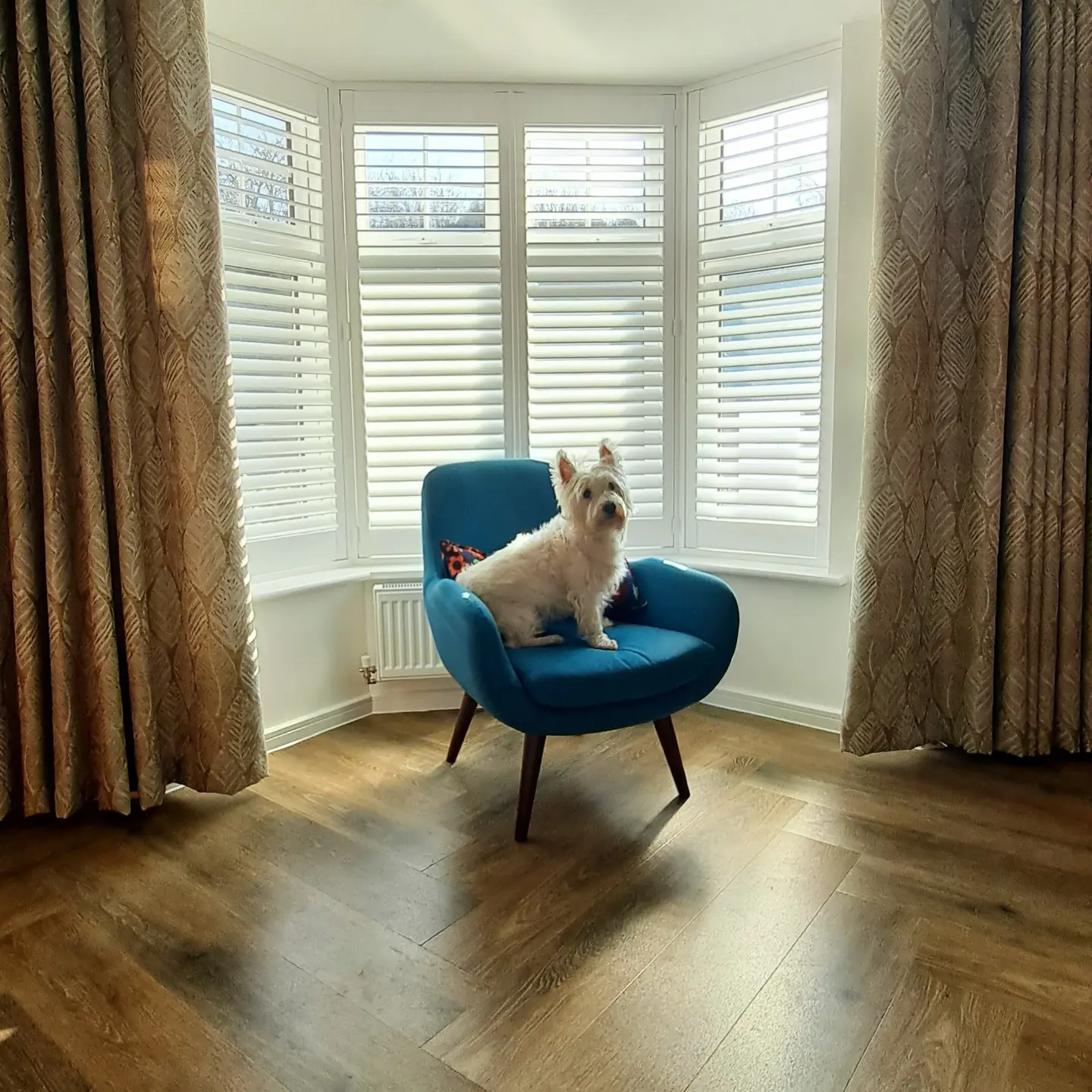
Both shutters and curtains can work well in homes with children and pets. Shutters are typically more durable thanks to their solid construction, making them better suited to busy households where bumps and knocks are more likely.
They’re also easy to clean, with most marks wiping away quickly using a damp cloth. Curtains, while soft and safe, may require more regular washing to keep them looking their best, particularly in homes with pets or young children.
Cost
Curtains are often seen as a flexible furnishing option, available in a wide range of fabrics, styles and standard sizes. They can also be easily altered to suit different windows, making them a convenient choice for many homes.
Shutters, on the other hand, are made to measure and designed specifically for your windows, creating a more tailored and permanent finish. While the initial investment is typically higher, shutters are designed for long-term use and can add lasting style, practicality and value to a home over time.

Adding Value to Your Home
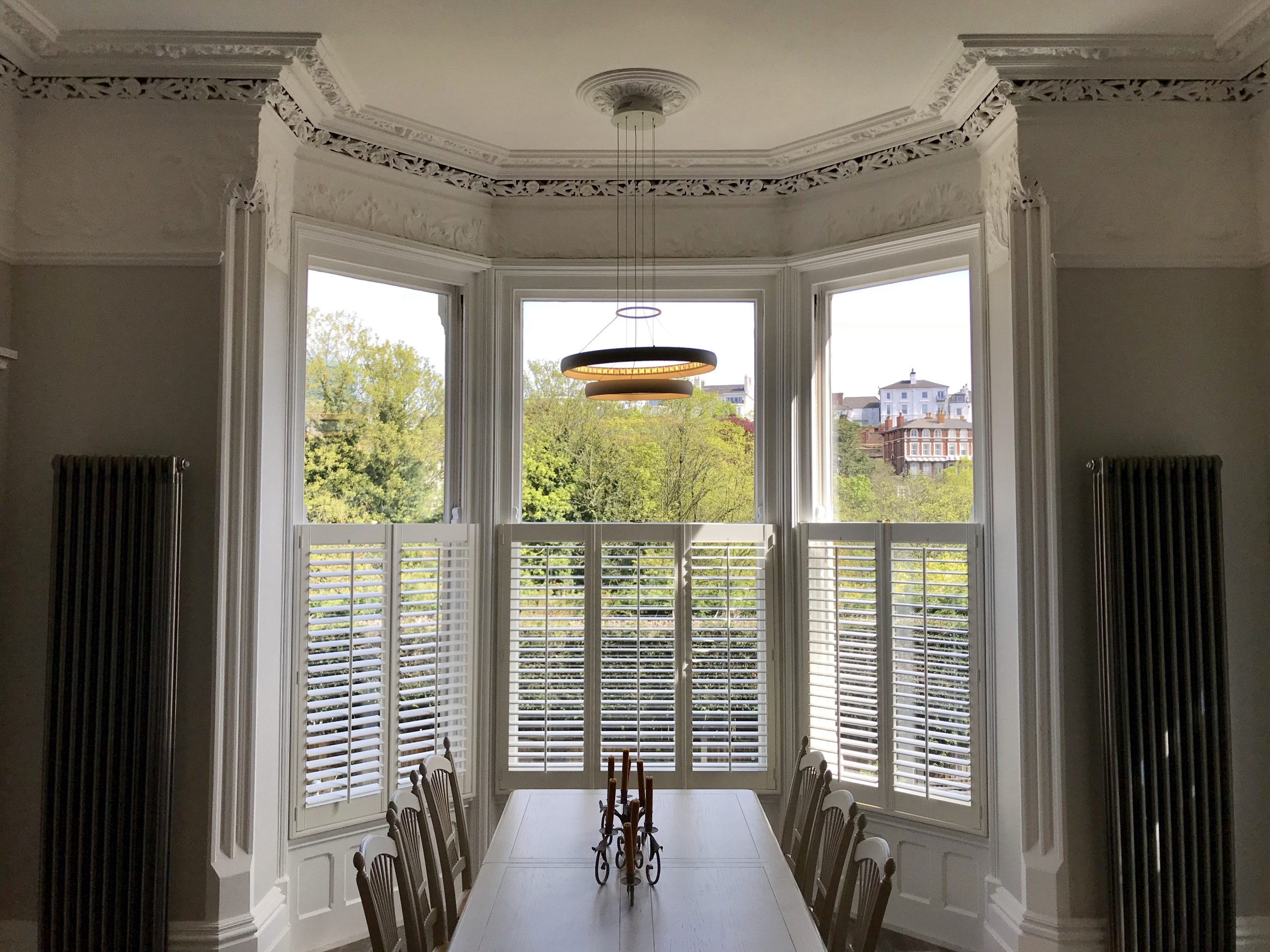
Shutters are often considered a more permanent feature, which can enhance both the appearance and appeal of your home. Their clean, fitted look can improve kerb appeal, whether viewed in person or online, helping your property stand out to potential buyers.
While curtains are usually removed when moving house, shutters are typically included as part of the property. This can be attractive to buyers, as it’s one less cost to consider and may help support negotiations if you decide to sell in the future.
Engery Efficiency
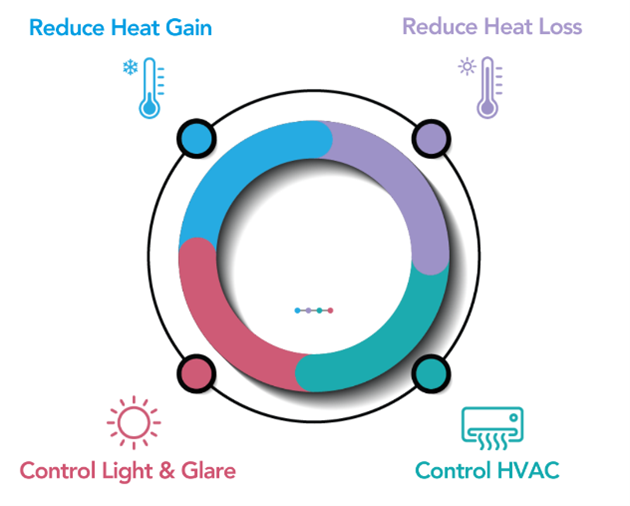
Curtains can create a cosy feel, but shutters are often more effective at helping regulate indoor temperatures. Their fitted design creates an additional barrier at the window, which can help reduce heat loss and keep rooms warmer during colder months.
As a result, you can expect to save money on heating costs with shutters, whereas curtains, roman blinds and roller blinds generally don’t insulate as effectively.
Thermal or lined curtains can also improve insulation, but they usually need to be fully closed to be effective. While shutters won’t dramatically reduce energy bills on their own, improving window insulation can help maintain a more consistent indoor temperature and support overall energy efficiency.

Room Cooling
During warmer months, keeping your home cool becomes a priority. Shutters can help by reducing the amount of direct sunlight entering through your windows, helping to regulate indoor temperatures while still allowing natural light into the room.
Curtains with thermal linings can also help block heat, but they often need to be fully closed to be effective. Shutters, however, can be angled to limit glare and heat without darkening the room completely, offering a more flexible solution for maintaining comfort in warmer weather.
Conservatories
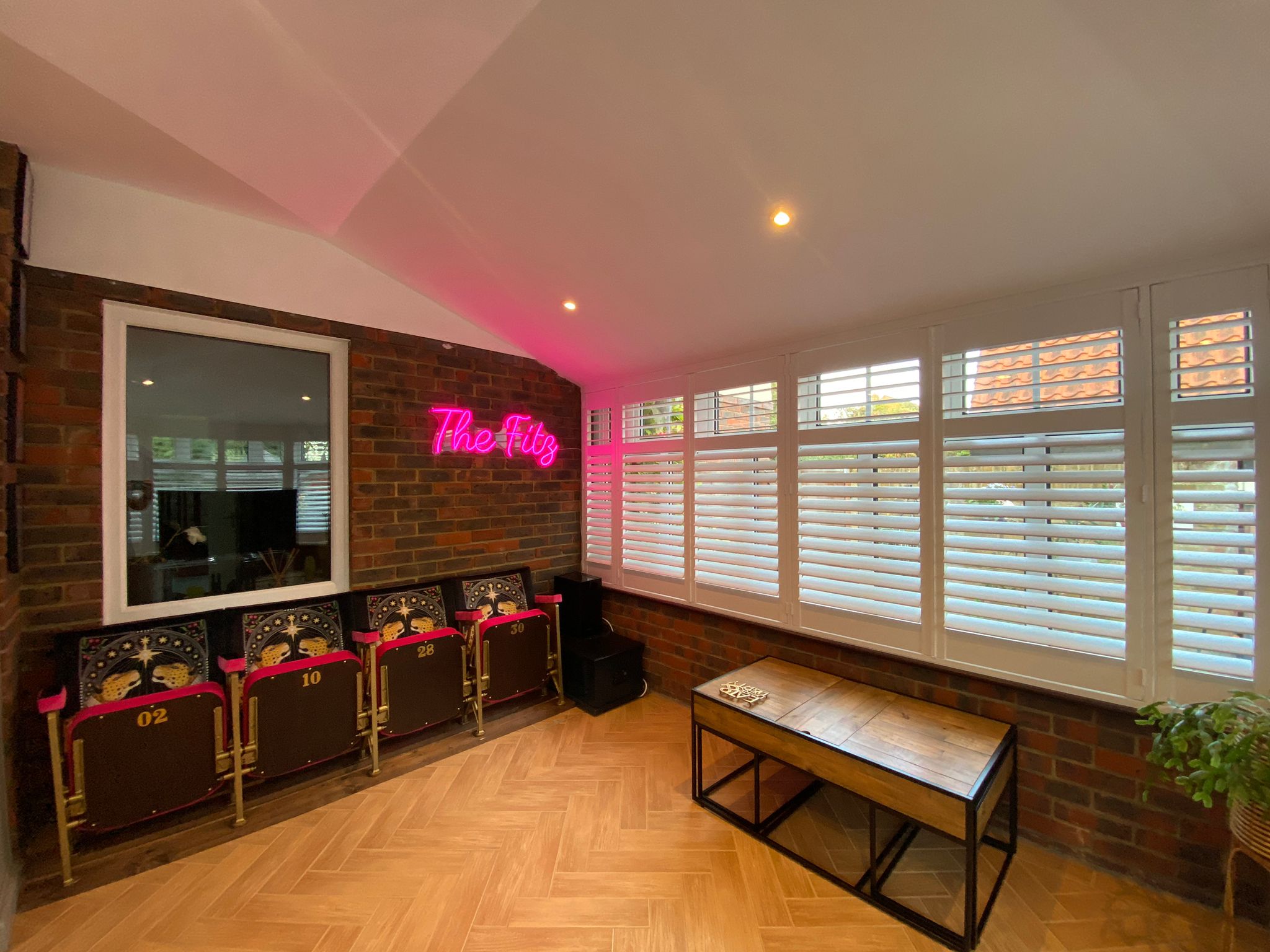
Conservatories are often a room that can only be practically enjoyed for a small part of the year. A predominantly glass room can be too cold in winter and sometimes too warm in summer.
As we’ve just discussed, shutters will help you regulate the heat, making your conservatory practical all year round.
Now, we appreciate that you’re unlikely to go for floor-to-ceiling curtains around a conservatory or orangery, so shutters are probably an obvious choice.
However, there’s a shutter vs curtains conversation to have about the doors that lead from your house to your conservatory.
With curtains, it can feel like you’re completely closing a full section of your house off, leaving your conservatory a little unloved when it’s not in use.
If you choose conservatory shutters instead, you can close the room off when it’s not in use, but they still do a wonderful job of keeping an airy openness throughout your home.
Design Flexibility
It’s easy to choose window coverings based on current trends or colours, but this can sometimes make curtains harder to work with long term. Curtains that match your bedding or décor may look great initially, but they might not suit the room if you redecorate or update your colour scheme.
Shutters, particularly in neutral tones, offer a more versatile and timeless option. Their clean, simple design can complement a range of interior styles, making them easier to keep as your décor evolves over time.
More sustainable choice?
When thinking about sustainability, longevity plays an important role. Curtains are often replaced when styles change or fabrics wear out, which can contribute to increased household waste over time.
Shutters, however, are typically designed as a long-term feature. Many shutters last 15–25+ years, compared to 5–10 years for curtains. Because they’re less likely to be replaced and are often made from responsibly sourced materials, shutters can offer a more sustainable, ‘buy once’ approach to window coverings.


The enviorment
You don’t have to explore any news outlet for long to understand the impact that ‘fast fashion is having on our environment.
According to the UN Environment Programme, the world’s hunger for cheaply produced clothes is responsible for more global carbon emissions than all international flights and maritime shipping combined.
So, what does this have to do with curtains and shutters?
Well, there’s an increasing focus on the impact of the so-called ‘fast homeware’, cheaply produced homewares that many homeowners will consider on-trend today and ready to be replaced when the next trend hits interior design magazines.
The problem isn’t quite on the same scale as fast fashion, but industry experts say it’s a growing issue.
There’s no getting around the fact that shutters are a more expensive option than curtains, but it’s worth considering quality window coverings as more of a long-term investment rather than a quick interior fashion fix.
Your shutters are going to still look beautiful long after curtains have come down and been binned or hidden away in a cupboard.
Moreover, you can work with Shuttercraft confidently, knowing that the materials used are from sustainable sources.
From sustainable Ayous wood plantations in the Solomon Islands, to the ethical sourcing of Paulownia wood for lighter-weight shutters with a reduced carbon footprint, your new shutters will be a talking point for all the right reasons.
Shutters vs curtains summarised
| Feature | Shutters | Curtains |
| Privacy | Adjustable louvres allow light in while maintaining privacy | Typically, open or closed, with less flexibility |
| Light Control | Highly adjustable throughout the day | Limited control unless layered with sheers |
| Insulation | Fitted design helps reduce heat loss | Fitted design helps reduce heat loss |
| Maintenance | Easy to wipe clean | Require washing or dry cleaning |
| Shaped Windows | Made-to-measure for unusual shapes | Limited sustiability for shaped windows |
| Lifespan | Typically, 15-25+ years | Typically, 5-10 years |
Who should choose shutters?
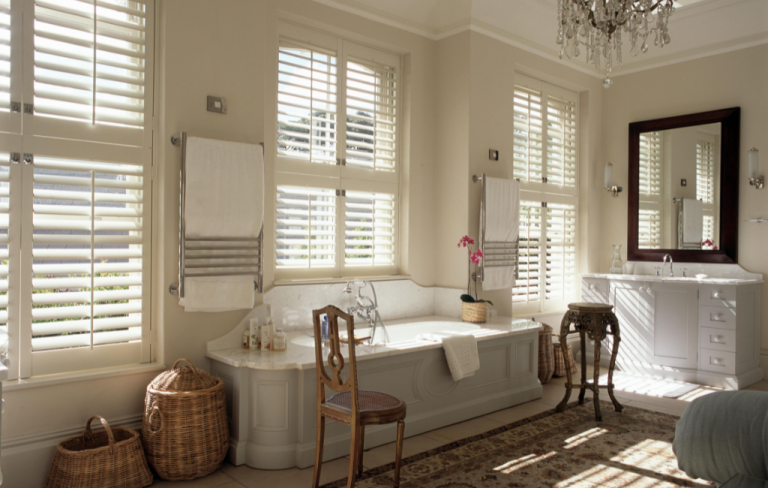
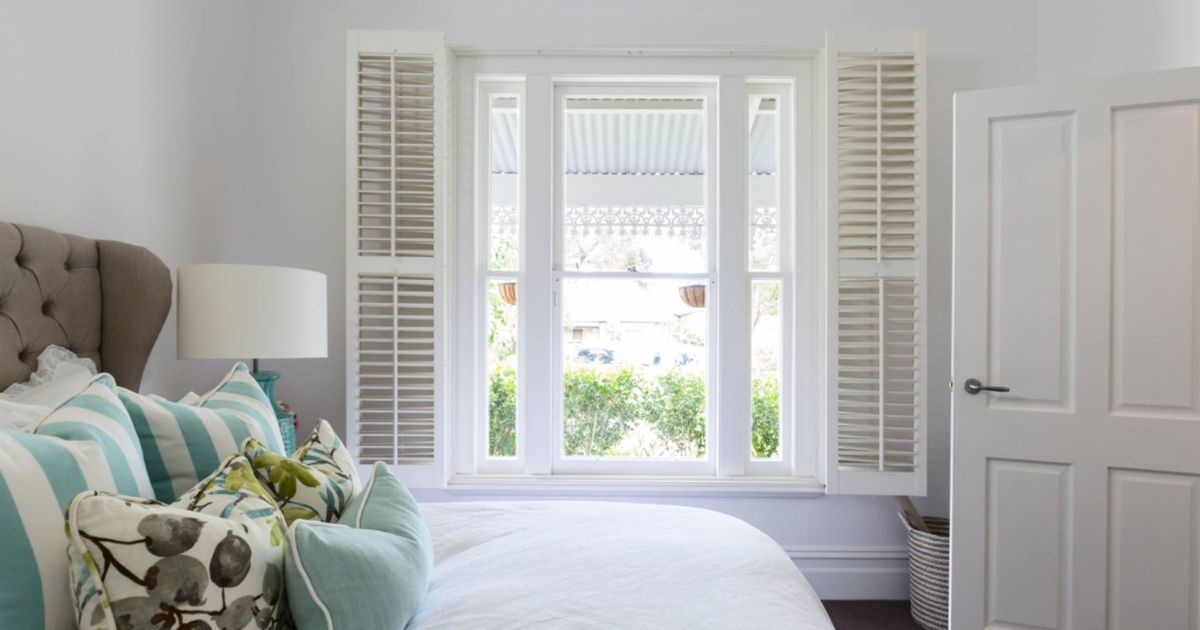
Shutters may be the right choice if you’re a long-term homeowner looking for a durable, made-to-measure solution that will last for years to come. They’re also particularly well-suited to period properties, where their timeless design can complement original features.
They’re ideal for low-maintenance lifestyles too, as shutters are easy to clean and maintain. If your home also needs flexible privacy, such as street-facing rooms or overlooked spaces, adjustable louvres make shutters a practical and versatile option.
Curtains may be a better choice for renters or those looking for a more flexible, temporary window covering. They’re also ideal for trend-driven decorators who enjoy updating colours, fabrics and styles as interiors evolve.
If you’re working with a tighter upfront budget, curtains are typically more affordable and easier to replace. They’re also a great option for those who prefer soft textures and layered styling, helping to create a warm, cosy feel in a room.
Making Your Window Dressing Decision
So, when it comes to shutters vs curtains, the right choice depends on your priorities, budget and style preferences.
Curtains can be ideal if you’re looking for softness, texture and a lower upfront cost, helping to create a warm and cosy feel. Shutters, on the other hand, offer flexible light control, long-term durability and a clean, timeless look that works across many interior styles.
Both shutters and curtains can enhance your home; the best option simply depends on what matters most to you and how you use your space.
Still Weighing Up Your Decision?
Speaking to your local Shuttercraft expert can help you see what will work best in your specific space, especially if you have unusual windows or particular privacy or insulation concerns.
If you’d like tailored advice, our design team is always happy to talk through your options, with absolutely no pressure, just practical guidance to help you choose confidently.
FAQ’s
Are shutters better than curtains?
It depends on your priorities. Shutters offer better light control and durability, while curtains provide softness and lower upfront cost. Many homeowners choose based on style preference and budget.
Which is cheaper: shutters or curtains?
Curtains are typically cheaper upfront. Shutters cost more initially but often last longer, which may improve long-term value.
Do shutters block more light than curtains?
Both can block light effectively. Blackout curtains often provide the darkest solution, while shutters offer adjustable light control.
Are shutters warmer than curtains?
Both shutters and thermal curtains can help reduce heat loss. Shutters create a fitted barrier, while curtains rely on fabric insulation.
Do shutters add more value to a home than curtains?
Shutters are often considered a permanent feature, which may improve appeal when selling a home, whereas curtains are usually removed when moving.